Ayurvedic Spring Herbs and Spices: Boost Energy and Balance Digestion
Five Ayurvedic herbs and spices to help you feel light and energised in spring

TL;DR
If spring leaves you feeling heavy, sluggish or congested, Ayurveda recommends using warming and stimulating herbs and spices to support digestion and energy.
Helpful spring herbs and spices include:
black pepper
ginger
turmeric
cinnamon
thyme
These herbs help strengthen Agni (digestive fire), reduce congestion and bring lightness back to the body during the Kapha season.
Prefer to listen?
You can press play below to hear this episode of Rooted in the Seasons, or scroll down to read it as a blog post.
As mentioned in the blog post about the Kapha Dosha, spring carries heavy, cool and slow qualities.
Nature is waking up again, but our bodies don’t always feel immediately energised. Digestion can feel a little sluggish, the head heavy, and congestion can increase as winter transitions into spring.
This makes spring the perfect season to use herbs and spices more generously in your cooking.
Spices have been used for thousands of years to bring health. You might see them mainly as flavour enhancers for your meals, but they are potent little power seeds that can jumpstart digestion, help release uncomfortable bloating, and make you feel lighter and more energised as a result.
How Many Herbs and Spices Do You Use in Your Cooking?
When I grew up, salt, pepper and paprika were the go-to spices.
When I started practising yoga and was introduced to Ayurveda, a whole new world opened up. I felt a little like Alice in Wonderland.
Suddenly there were so many spices and herbs — and each one seemed to have its own effect on digestion, energy and wellbeing.
But which ones should you use for what?
Luckily, living seasonally helps you narrow it down.
Spring is dominated by Kapha qualities: heavy, cool, slow and slightly damp.
To balance these qualities, Ayurveda recommends foods and spices with pungent, bitter and astringent tastes.
These qualities lighten, dry and stimulate.
Many herbs and spices naturally carry these properties, making them perfect companions for the spring season.
Here are five of my favourites.
🌱 Feeling out of Rhythm?
You can download my free guide:
My 5 Quick Ayurvedic Fixes to Move from Scattered to Steady.
If you wonder where to start, this is a good place.
Which Herbs and Spices are best for Spring?
As mentioned, you are spoiled for choice. Here are five spices to give you some ideas; the first four are must-haves, and the last one is good to have but might not feature much in your kitchen just yet.
Black Pepper
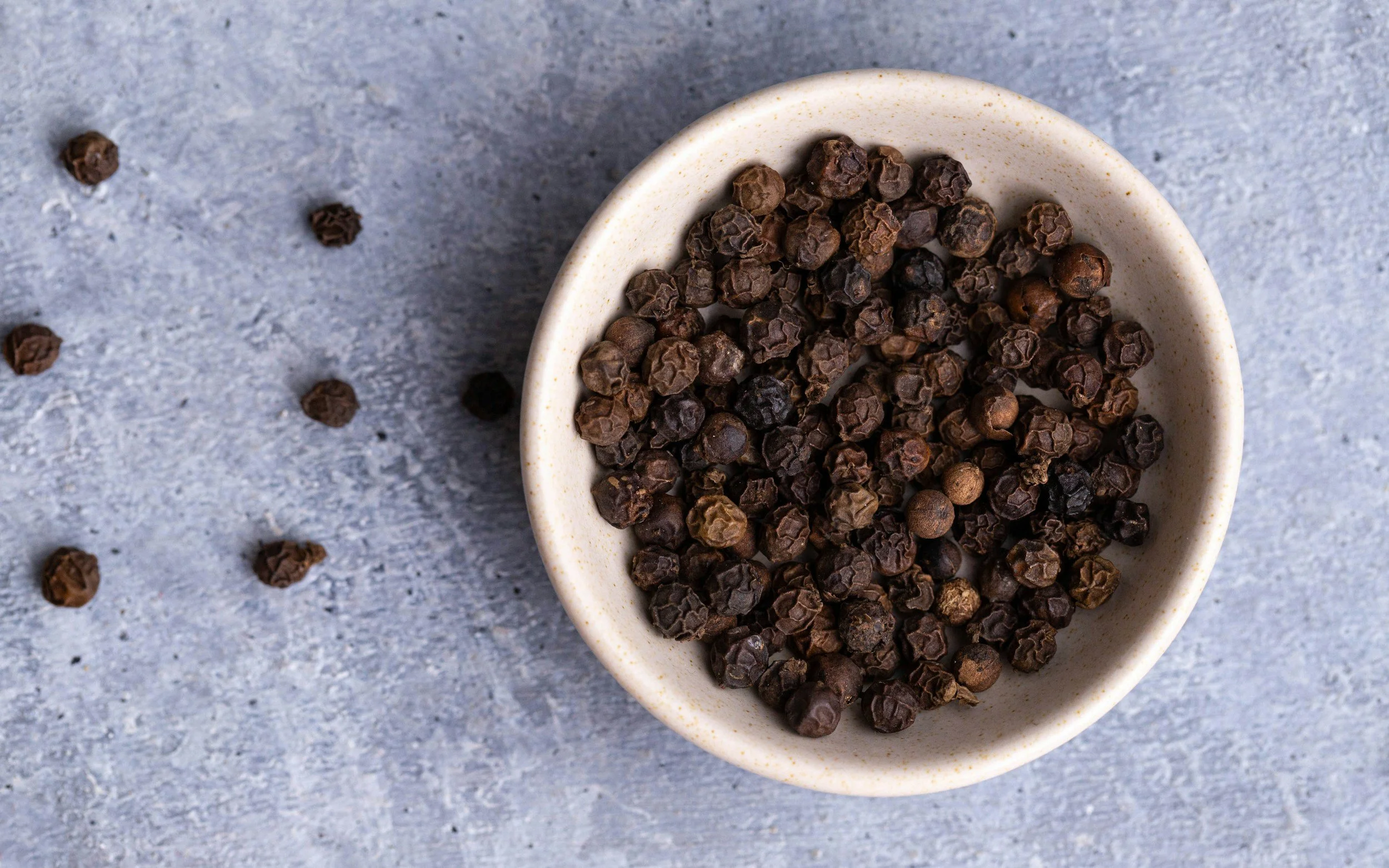
Has pungent and bitter tastes with dry, sharp, hot, and light qualities
Black pepper stimulates digestion (one of the most important spices in Ayurveda), expels phlegm, reduces gas and fever, helps remove parasites, reduces ama, and strengthens Agni, your digestive fire.
All things you want to support digestion during the spring season.
The easiest way to use it?
You can sprinkle freshly ground black pepper into almost everything.
Ginger
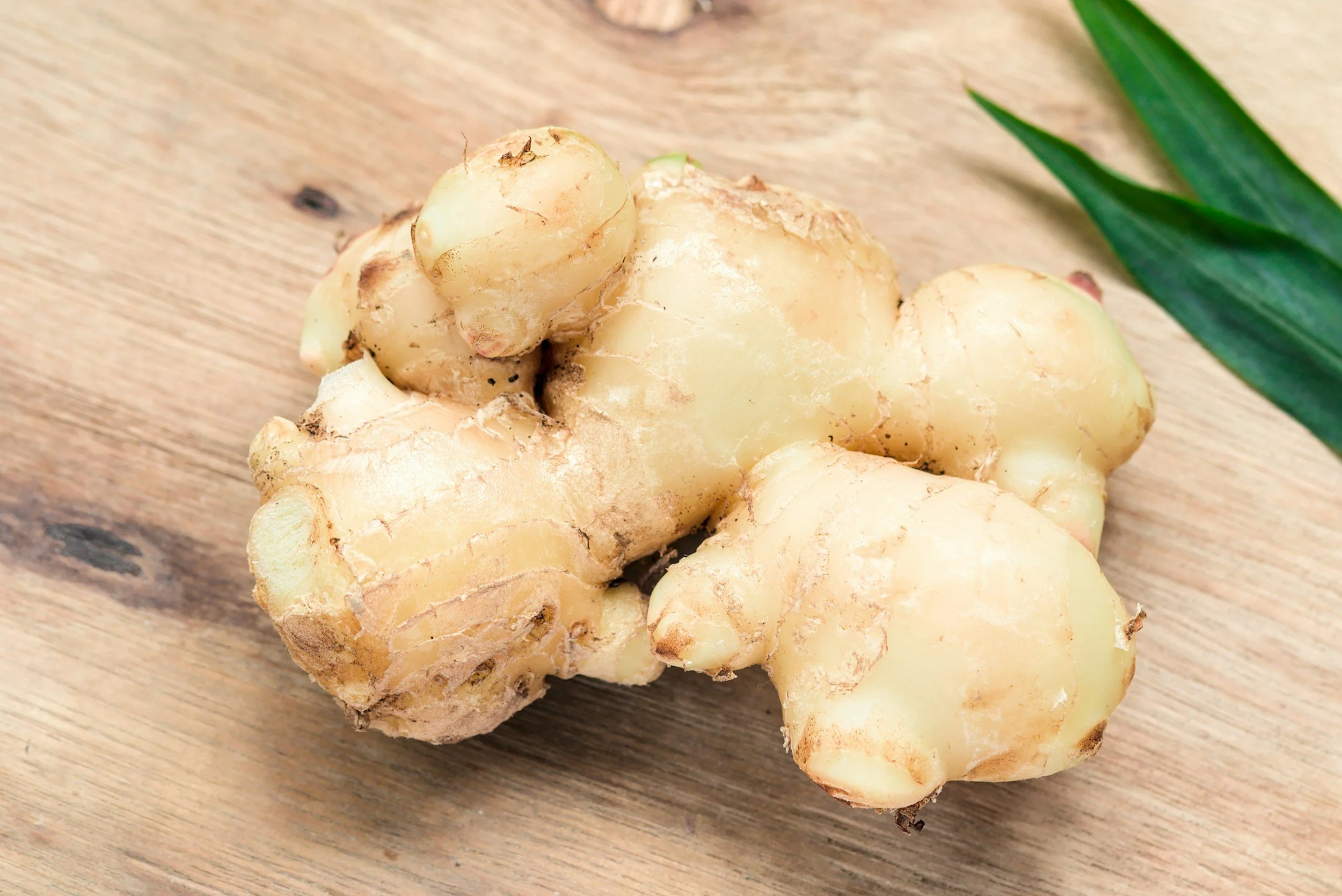
An absolute must-have in your kitchen — both fresh and in powder form.
Ginger has sweet and pungent tastes.
Fresh ginger is slightly heavy and oily due to its juices, which makes it milder and less heating than its dried form.
Dry ginger powder, on the other hand, has dry, light and sharp qualities, making it more stimulating for digestion.
Ginger has cleansing, toning and stimulating properties and is used for a multitude of health purposes.
It supports digestion when there is nausea, bloating or a feeling of fullness, helps relieve muscular pain, and helps relieve constipation.
As a tea, ginger is often used when colds or coughs appear.
Ginger also helps digest ama, the toxins that accumulate in the body when digestion is sluggish.
Fresh ginger can be grated into:
tea
dal
vegetable dishes
The dried ginger powder also works well in sweet dishes.
Turmeric
Turmeric belongs to the same plant family as ginger and is another must-have spice in your kitchen.
Like ginger, turmeric is available in two forms: fresh root and the more commonly used dried powder.
Its pungent, bitter and astringent tastes and light, dry qualities make it very helpful for balancing Kapha in spring.
Turmeric is known as an excellent blood and stomach purifier. It supports the skin, helps reduce inflammation, and supports the liver, spleen and kidneys.
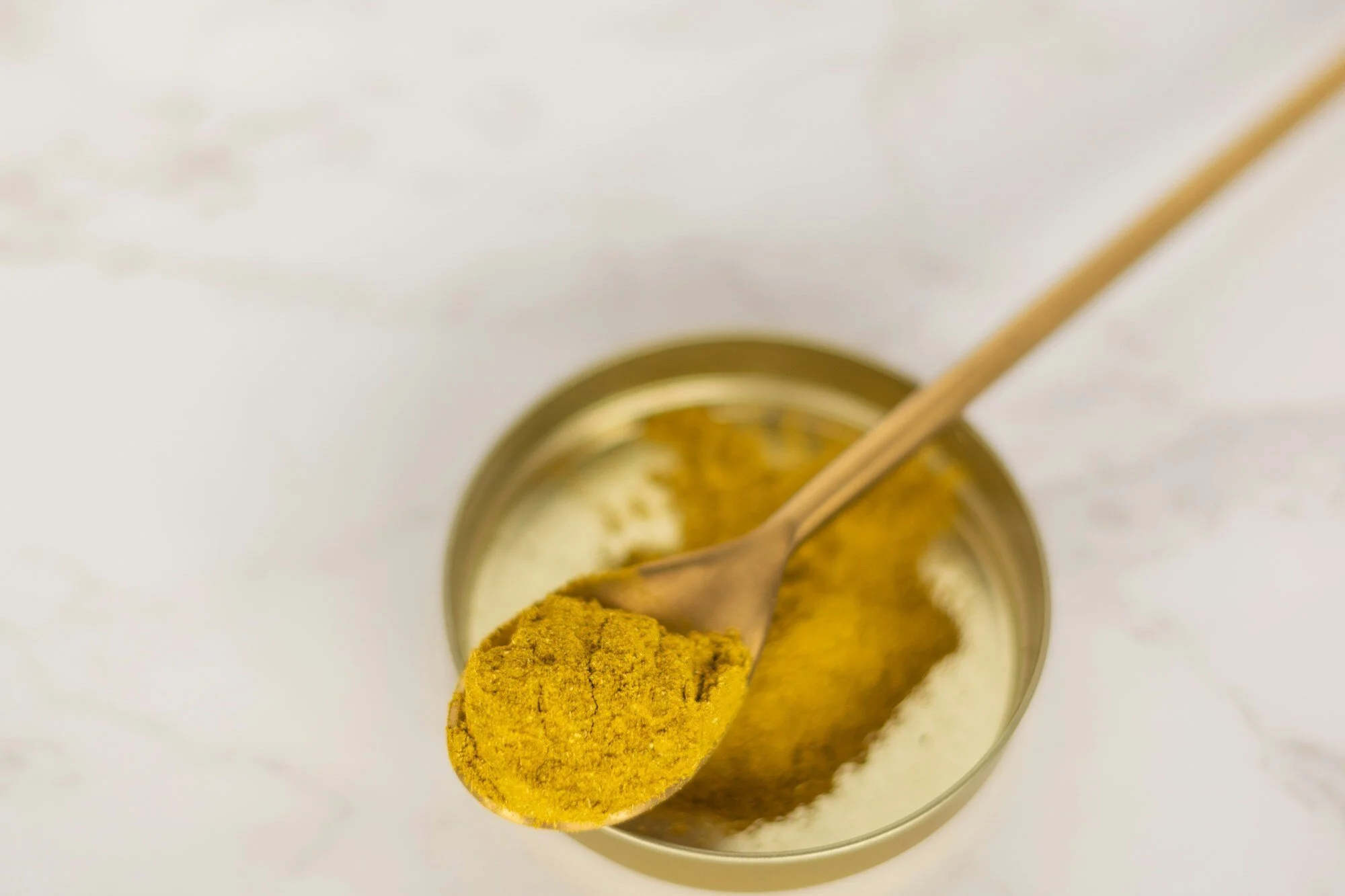
In its powder form, turmeric can be added to any tempering for vegetable dishes, dals or soups..
It also works beautifully in warm milk as a turmeric latte. The fat in the milk helps activate turmeric’s active compounds.
Fresh turmeric root can be used to make pickles or grated into cooking.
Many people ask whether fresh or dried turmeric is better.
The dried powder is usually more concentrated, which is why it is commonly used in cooking.
The active compound in turmeric, curcumin, has become very popular in capsule form. However, Ayurveda traditionally prefers using the whole plant.
The body recognises and processes whole herbs more naturally. When only the isolated active ingredient is taken, it can sometimes be too strong on its own and may cause side effects. Over time this can give the herb an undeserved bad reputation.
Cinnamon
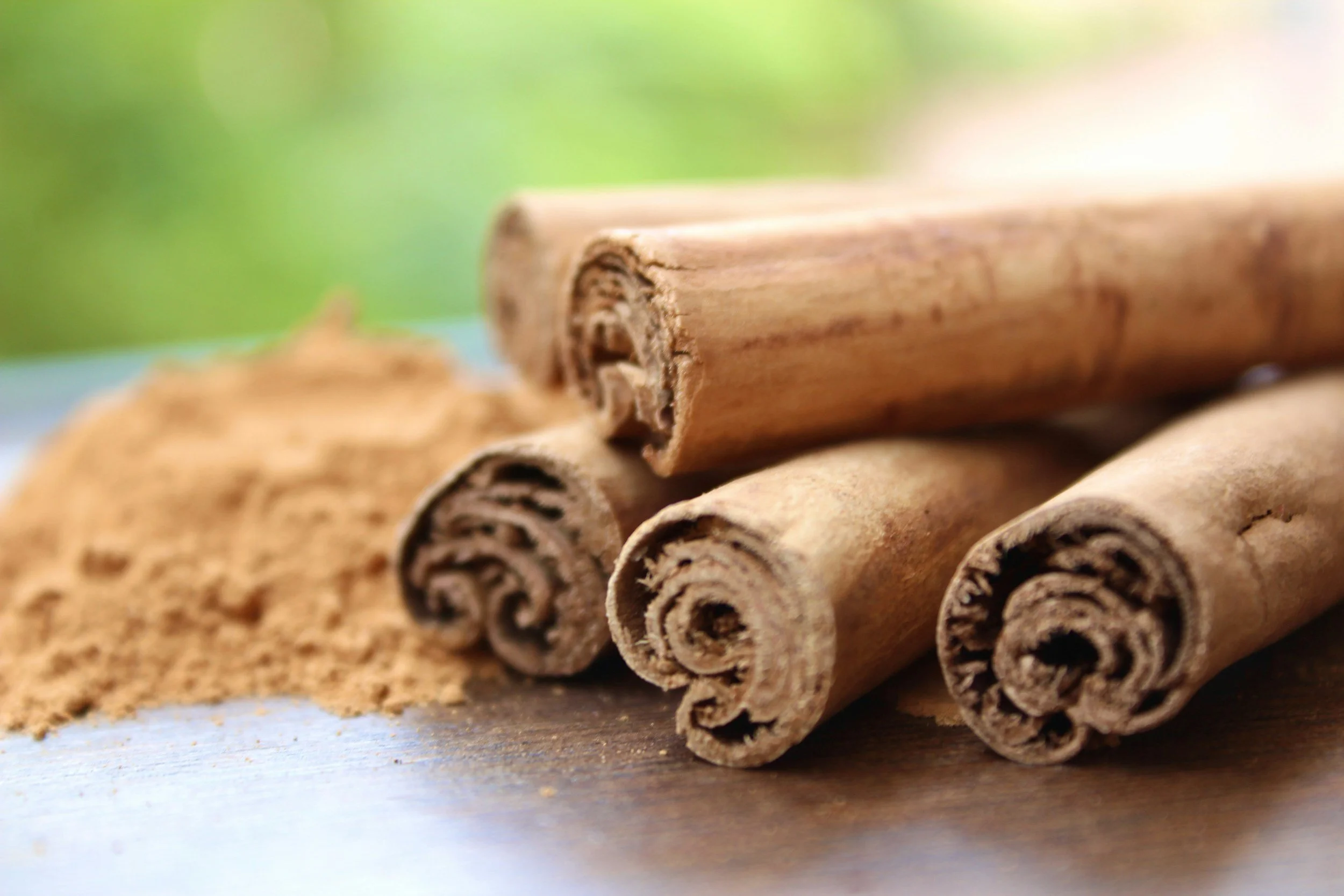
Do you also love cinnamon?
Its naturally sweet taste makes it very pleasant, but it also contains subtle pungent and astringent qualities.
Cinnamon carries dry, light and sharp properties, which makes it helpful for balancing Kapha.
It promotes sweating, supports circulation, reduces gas and blood sugar, helps expel phlegm and strengthens Agni.
Cinnamon comes in two forms: bark or powder.
It is best to buy the bark and grind it when needed to keep it fresh and effective.
The bark can be added to cooking, such as dals or stews, to release its volatile oils.
Cinnamon powder works well in milk drinks, porridge, cakes or other sweet dishes. It not only improves flavour but also helps digest the sweetness.
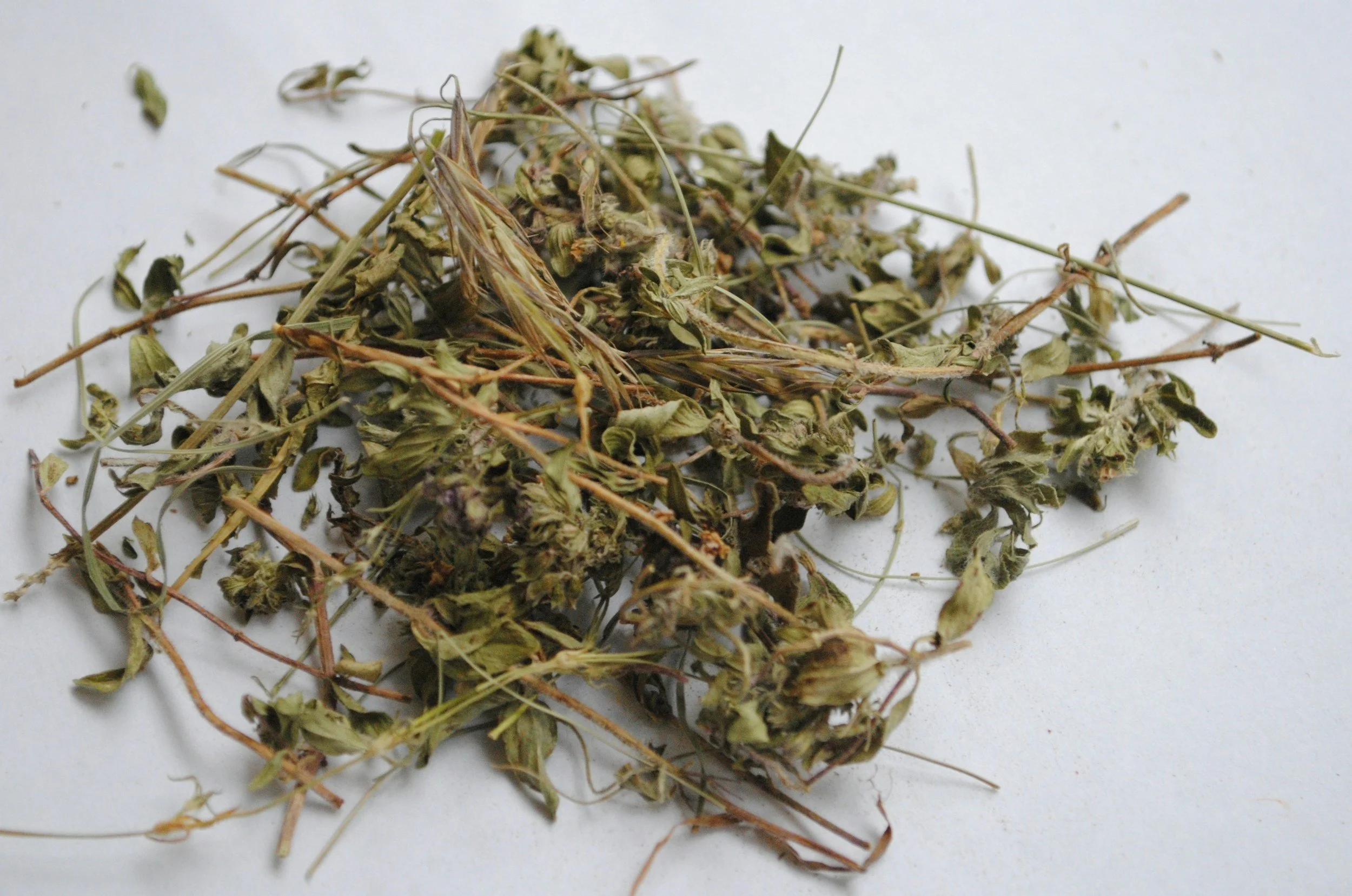
Thyme
Thyme is a wonderful herb to include during spring, especially when congestion or lingering winter colds are still present.
It has pungent and slightly bitter tastes with warming and drying qualities, making it helpful for balancing Kapha.
Thyme is traditionally valued for its ability to support the lungs and respiratory system.
It helps loosen mucus, clear congestion and support the body when coughs or chest heaviness linger into the spring season.
Thyme also gently stimulates digestion and circulation.
Fresh thyme works beautifully in cooking, especially in soups, vegetable dishes and broths.
Dried thyme can also be infused as a tea when the chest feels heavy or when seasonal congestion appears.

How to Buy and Store Herbs for Maximum Benefit
The way you buy and store herbs and spices makes a difference to their effectiveness.
In Ayurveda, herbs are considered living medicines, and their potency slowly fades when they are ground too far in advance.
Whenever possible:
Buy whole spices such as black peppercorns or cinnamon sticks.
Grind them fresh in small quantities for weekly use.
This preserves their flavour and medicinal strength.
If you have access to fresh turmeric root in larger quantities, you can dry and grind it yourself to create a very high-quality turmeric powder.
All herbs and spices are best stored away from light and heat, ideally in airtight containers in a cupboard.
A Simple Honey and Spice Remedy for Early Cold Symptoms
Spring is also a time when congestion and lingering winter colds can appear.
In Ayurveda, honey is often used as an anupana, a carrier that helps deliver herbs more effectively into the tissues.
Honey also has warming and drying qualities, which makes it especially helpful for reducing Kapha congestion.
If you use honey, choose raw honey that has not been heated or pasteurised. Ideally buy it from a beekeeper or look for jars labelled raw honey.
Turmeric Honey Mixture
This mixture can be stored in a small jar and used when the first signs of a cold appear.
½ cup raw honey
1 tbsp turmeric
1 tsp freshly ground black pepper
Mix everything together in a small glass jar and store in your cupboard.
Take ½ teaspoon several times a day when you feel a cold coming on.
When the Body Feels Heavy in Spring
If spring arrives and you notice signs like:
sluggish digestion
congestion or mucus
low energy
a general sense of heaviness
These can be signs that Kapha has accumulated during winter.
Using herbs and spices in daily cooking is one of the simplest ways to help the body shift into the new season.
For some people, this seasonal transition is also a good time to go a little deeper and reset digestion more intentionally.
In Ayurveda, this is traditionally done through a spring cleanse, using simple meals, digestive spices and supportive daily rhythms to help the body release heaviness and restore energy.
Final Thoughts
Revitalise your springtime routine through the strategic use of herbs and spices.
We often overlook their benefits, not just as culinary enhancers but as powerful allies in supporting digestion and energy.
Spring can sometimes feel heavy or sluggish, but simple additions to your cooking can make a noticeable difference.
Ayurveda offers a wide range of herbs and spices that help stimulate digestion, reduce bloating and bring lightness back to the body.
Sometimes all it takes is opening your spice cupboard.
Frequently Asked Questions
Why are herbs and spices especially helpful in spring?
In Ayurveda, spring is dominated by Kapha qualities, which are heavy, cool and damp. These qualities can slow digestion and increase congestion. Warming and stimulating herbs help counterbalance this and support digestion.
Which Ayurvedic spices support digestion the most?
Some of the most commonly used digestive spices in Ayurveda include black pepper, ginger and turmeric. These spices help strengthen Agni, reduce bloating and support the body’s natural detoxification processes.
Can I use these herbs every day?
Yes. In Ayurveda many herbs and spices are used daily in cooking rather than taken as medicine only. Using small amounts regularly in soups, vegetable dishes, dals or teas is often the most beneficial way.
Is fresh or dried turmeric better?
Both can be used. Fresh turmeric root is milder, while dried turmeric powder is more concentrated, which is why it is commonly used in cooking.
Explore More Ways to Balance Kapha in Spring
If you'd like to explore this further, these guides may help:
🌿 Spring Diet: How to Eat for Kapha Season
Learn which foods lighten Kapha and support digestion in spring.
🌿 Spring Spices That Boost Digestion and Energy
Discover the spices that naturally stimulate digestive fire and reduce heaviness.
🌿 How to Adapt Your Yoga Practice for Spring
A stronger, more activating practice can help balance Kapha and restore energy.
🌿Kapha Dosha Explained: Why Spring Makes You Feel Heavy (and How to Restore Your Energy)
Understand Kapha Dosha and its effect on you.
🌿 Ayurveda for Spring Allergies
Understand why allergies often flare in spring and how to ease symptoms naturally.
Which of these herbs and spices are already part of your kitchen?
Or is there one you feel inspired to try this spring?
Let me know in the comments or send me a message — I always love hearing from you.
Katja x