5 Warm Breakfast Ideas for Autumn
TL;DR
Autumn brings cooler, drier and more mobile qualities, making warm, cooked breakfasts particularly supportive at this time of year.
Ayurveda also considers your constitution and appetite. Vata needs a nourishing breakfast, Pitta usually benefits from regular meals, while Kapha may need only something light or may comfortably wait until lunch.
These five warm breakfast ideas give you options for different appetites and mornings:
Porridge for a simple, nourishing staple
Spiced stewed fruit for a lighter breakfast
Sansa when you prefer something savoury and substantial
Lentil pancakes for a higher-protein option
Warm spiced rice for an easy way to use leftover rice
Choose two or three that work for you and prepare what you can the night before. A reliable breakfast can become a simple anchor in your morning rhythm.
Prefer to listen?
Press play below to hear this episode of Rooted in the Seasons, where I explore how Ayurveda approaches breakfast in autumn.
Then keep reading for five warm breakfast ideas and the recipes to try them yourself.
What’s for breakfast?
Breakfast is one of the meals I find many women struggle with.
Do I need breakfast? What can I make quickly? What can I eat when I have hardly any time in the morning?
Mornings are precious. There may be children to get ready, lunches to pack, a dog to walk and work to get to. Breakfast can easily fall by the wayside. Sometimes that means eating nothing. Sometimes it means grabbing a biscuit with a cup of tea because it happens to be there.
Do you actually need breakfast?
Ayurveda takes an individual approach to breakfast. Your appetite, digestion and constitution all matter.
Vata needs breakfast. Going too long without food can put the nervous system on alert and add to Vata's natural tendency towards movement and irregularity. Breakfast should be easy to digest while providing enough substance to carry you through the morning. A warm porridge, for example, is ideal for Vata: cooked, warm, easy to digest and substantial enough to provide steady energy.
Pitta tends to have a stronger appetite and usually needs breakfast. Regular meals are particularly important for Pitta. Leaving it too long before eating can quickly turn hunger into irritability, lack of concentration or that familiar feeling of suddenly needing food now.
Kapha will often eat breakfast because breakfast is simply part of the morning routine, yet constitutionally there is usually enough substance and stability to carry Kapha comfortably through until lunch. When there is an appetite for breakfast, something light is usually enough.
Why does autumn change things?
As we move into autumn, the qualities around us change. The weather becomes cooler. There is more wind and movement. We begin to experience more of the dry, cool and mobile qualities Ayurveda associates with Vata.
During this transition and throughout autumn, warm, cooked food becomes particularly supportive.
A warm breakfast gives the digestive system something cooked and easy to work with. It brings warmth and grounding into the beginning of the day and provides steady energy for the morning ahead.
Without breakfast, you may find yourself feeling more scattered as the morning goes on during this time of year. Concentration can become more difficult, your energy can dip, and by the time you realise you are hungry, you may already be running on empty. For Pitta, that hunger can show up more quickly as irritability or impatience.
And a warm breakfast doesn't mean eating porridge every day — although you absolutely can if you like it.
Warm breakfasts can be sweet or savoury. They can be light or more substantial depending on your appetite. You can use leftovers from the night before. You can also prepare part of your breakfast in the evening so there is very little to do in the morning.
That brings us back to rhythm.
Having two or three reliable breakfasts you enjoy means you don't have to decide what to eat every morning. Knowing what you are going to have and preparing what you can the night before makes breakfast much easier to fit into a busy morning.
Here are five warm breakfast ideas to get you started.
The five breakfasts:
Warm breakfast porridge
Spiced stewed apples
Sansa — a savoury breakfast
Lentil pancakes
Warm spiced rice breakfast
🌱If you’d like a simple way to bring this into your day,
You can download my free guide:
5 Daily Ayurvedic Shifts to Feel Like Yourself Again
It walks you through how to apply this practically.
01 Warm breakfast porridge
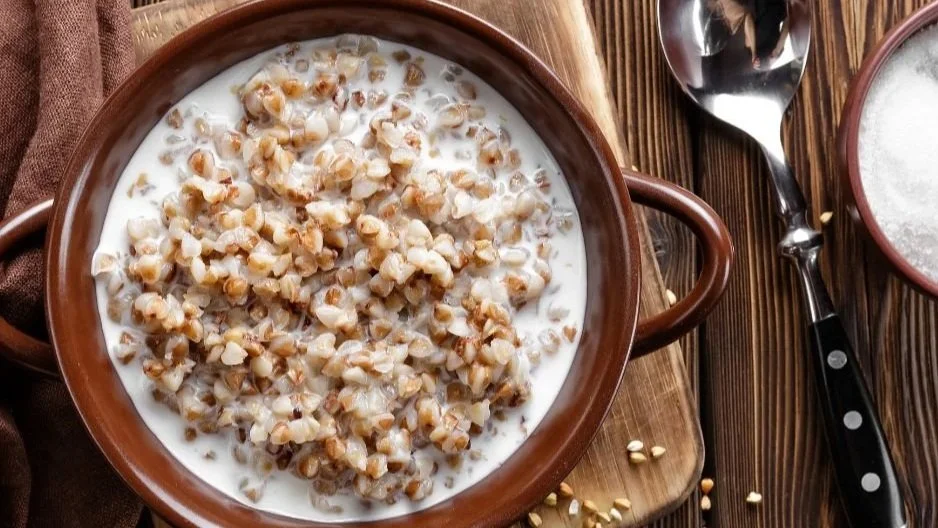
Porridge is an ideal autumn breakfast, particularly for Vata. It is warm, cooked and easy to digest when prepared well, while still providing enough substance to carry you through the morning.
And porridge doesn't always have to mean oats. In autumn you can use oats, amaranth, buckwheat, millet, quinoa or rice, which gives you plenty of variety.
For a simple porridge, cook your chosen flakes with water and any milk of your choice, adding spices such as cinnamon, cardamom and fennel. During autumn and winter, add a couple of chopped dates while the porridge cooks. They provide enough natural sweetness, so there is no need to add any other sweetener.
Cook until everything is soft and creamy, keeping the consistency fairly moist rather than allowing the porridge to become dry and heavy. Stir in a little ghee at the end for some extra nourishment.
Make the morning easier: Bring your porridge to the boil and cook it for a couple of minutes. Then switch off the heat, put the lid on and leave it to rest while you get ready. The flakes will continue to soften and absorb the liquid, and your breakfast will be waiting for you when you're ready to eat.
Fresh fruit is best eaten separately from porridge according to Ayurvedic food-combining principles. Dried fruit can be cooked with the grains.
For exact quantities, seasonal grain choices and variations, see my Ayurvedic breakfast porridge recipe.
02 Spiced stewed apples
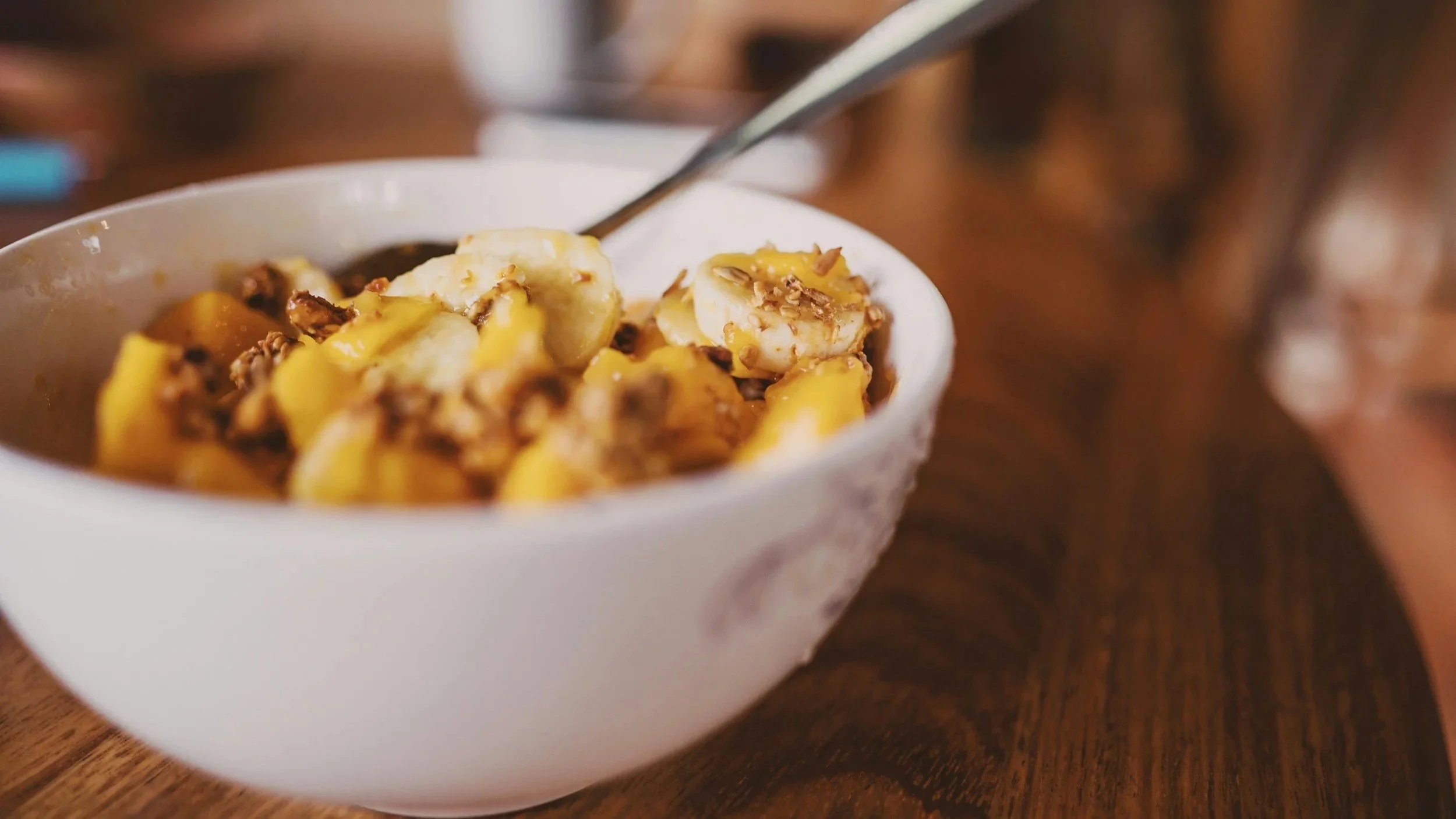
Spiced stewed fruit is an ideal Vata breakfast. It is warm, soft, moist and easy to digest — qualities that are particularly supportive during autumn when Vata naturally increases.
Apples work beautifully at this time of year. Cooking them until soft makes them easier for the digestive system to work with, while spices such as cinnamon, cloves, cardamom or ginger add warmth.
Chop two or three apples and cook them slowly with a little ghee, cinnamon and a couple of cloves. Add enough water to allow the fruit to soften without drying out. You can add a small handful of raisins or dried apricots for some additional sweetness and nourishment.
Cook until the fruit is completely soft and serve warm.
This is a breakfast in its own right, so enjoy the stewed fruit on its own rather than combining it with porridge or yoghurt.
Make the morning easier: Cook enough for a couple of mornings and keep the remainder in the fridge. Reheat a portion in a small pan in the morning.
For the full recipe and variations using other seasonal fruits, see my Spiced Fruit Breakfast Bowl.
03 Sansa — a savoury breakfast
Breakfast doesn't have to be sweet.
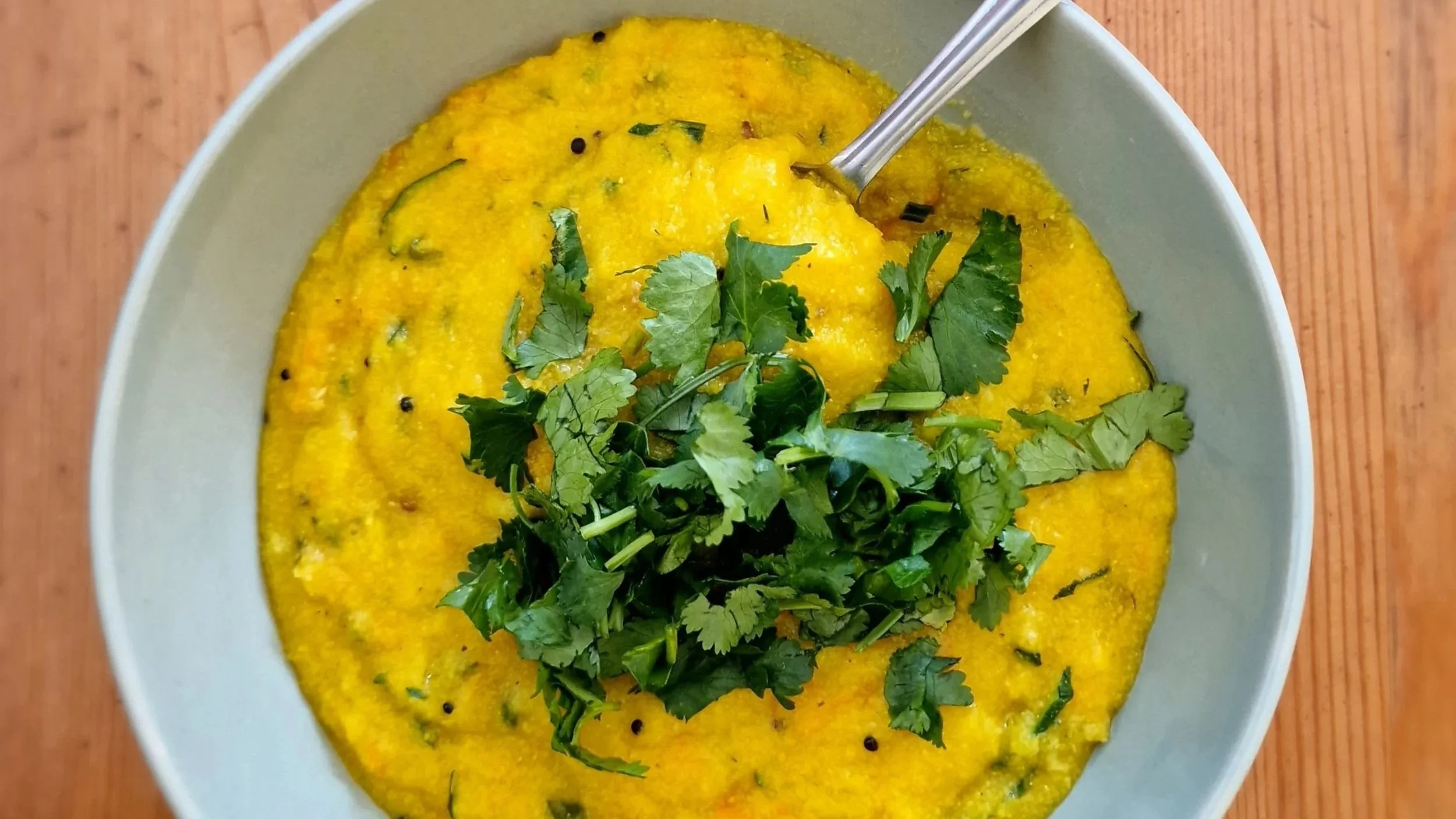
Sansa is a warm, savoury breakfast made with semolina, spices and vegetables. Semolina is nourishing and substantial, making this a particularly useful autumn breakfast for Vata. It is also a good option when you know a bowl of stewed fruit won't be enough to carry you through the morning.
Heat a little oil, add mustard seeds, fresh ginger and turmeric, then add a grated vegetable such as carrot or courgette. Pour in hot water and slowly stir in pre-roasted semolina. Cook for a few minutes until everything comes together into a soft, warm breakfast.
You can vary the vegetables according to what you have available and adjust the consistency by adding a little more water.
Make the morning easier: Roast a larger batch of semolina ahead of time and keep it in an airtight container. You can also grate your vegetables and ginger the night before.
Sansa cooks quickly, although it does need your attention while it cooks. Once you add the semolina, stay by the pan and keep stirring to prevent lumps and help it cook evenly. The good news is that it only takes a few minutes.
For the full recipe and exact quantities, see my Sansa recipe, or cook it with me in the accompanying video.
04 Lentil pancakes
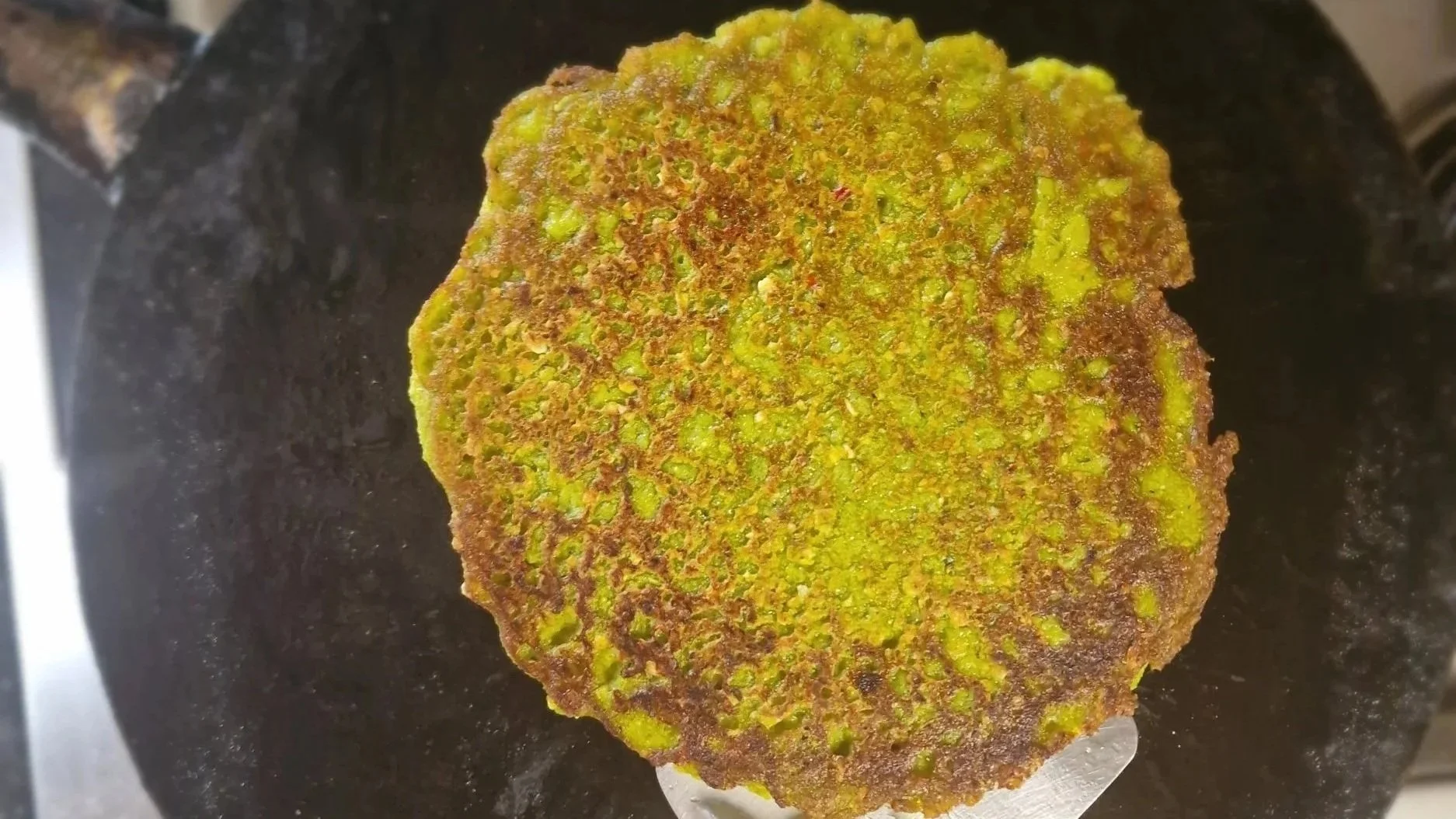
If you prefer something savoury and want a higher-protein breakfast, lentil pancakes are a great option. The combination of protein and carbohydrate makes them substantial enough to carry you through the morning and helps keep your energy steadier.
Now, protein pancakes may sound like a modern invention, but Ayurveda was onto this many moons ago.
Mung dal is a favourite in Ayurvedic cooking. It is high in protein and easier to digest than many other pulses. Red lentils are another good option and have a slightly more warming quality.
You can also combine equal parts mung dal and rice, much like you would for khichdi. Together, the dal and rice provide a more complete protein profile while making the pancakes a little more nourishing and substantial.
For a basic batch, use 1 cup in total:
1 cup split yellow mung dal or red lentils, or
½ cup split yellow mung dal + ½ cup rice
Think of it as khichdi in pancake form.
Wash thoroughly, then add about ½ cup fresh water and leave to soak overnight. In the morning, blitz everything together with a small piece of fresh ginger, 1 teaspoon cumin seeds and salt. Add a little more water if needed until you have a smooth, pourable batter.
Stir in a pinch of turmeric after blending. You can also add a little fresh chilli if you enjoy it, or finely grated carrot or courgette, chopped spinach or fresh herbs.
Heat a little ghee or oil in a frying pan. Pour in a ladleful of batter and spread it into a thin circle. Cook for about 2–3 minutes, then turn and cook the other side until golden.
Make the morning easier: Wash everything and set it to soak in your blender or food-processor bowl the night before. In the morning, you only need to add the spices, blitz the batter and heat the pan. Any remaining batter can be kept in the fridge for another breakfast or a quick lunch.
For exact quantities and seasonal variations, see my full Lentil Pancake Recipe.
05 Warm spiced rice breakfast
Leftover rice from dinner can become breakfast the next morning.
Rice is sweet, nourishing and grounding, which makes it particularly useful as we move into autumn and Vata season. Cooking it again with liquid turns it into a soft, warm breakfast that is easy to eat and gives yesterday's leftovers another job.
Put a portion of cooked rice into a small saucepan and add enough water and milk of your choice to create a soft, creamy consistency. Add cardamom and cinnamon, and a little ginger if you like. Add a couple of chopped dates or some raisins for sweetness.
Bring everything to the boil, then cook slowly until the rice has absorbed some of the liquid and become soft and creamy. Add a little ghee at the end if you would like it more nourishing.
Make the morning easier: This one begins with dinner. Cook a little extra rice the night before and put a portion aside. In the morning, everything goes into one pot and warms while you get ready.
Make breakfast part of your morning rhythm
You don't need five different breakfasts every week.
Choose two or three from this list that suit your appetite, your digestion and your mornings. Keep the ingredients in the house. Decide the night before what you are going to have. Soak the dal, put the porridge ingredients in the pot or cook a little extra rice with dinner.
Then breakfast stops being another decision you have to make when the morning is already busy.
And pay attention to how you feel afterwards.
Does your breakfast comfortably carry you through to lunch? Do you feel settled and able to concentrate? Are you hungry again an hour later? Does the meal feel too heavy?
Ayurveda gives us a framework, and your digestion gives you the feedback.
As autumn settles in, a warm breakfast can become one small, reliable anchor in your day. And sometimes that is exactly where creating a steadier rhythm begins.
FAQs
Does Ayurveda recommend breakfast for everyone?
Breakfast depends on your constitution, appetite and digestion. Vata needs breakfast and Pitta usually benefits from eating regularly. Kapha can often manage with a very light breakfast or comfortably wait until lunch.
What is a good Ayurvedic breakfast for Vata in autumn?
Warm porridge, spiced stewed fruit and Sansa are all good options. Vata benefits from food that is warm, cooked, easy to digest and nourishing enough to carry you through the morning.
How can I make a warm breakfast when mornings are busy?
Prepare what you can the night before. Soak your porridge or lentils, grate vegetables for Sansa, or cook extra rice with dinner. Having two or three reliable breakfasts in rotation also makes the morning much easier.