Sansa: A Savoury Ayurvedic Breakfast

Sansa is one of my favourite options when you want a warm, savoury breakfast. Made with semolina, vegetables and digestive spices, it is quick to prepare and substantial enough to carry you through the morning.
In Ayurveda, breakfast varies according to constitution and appetite. Vata needs breakfast and benefits from something warm, cooked, easy to digest and substantial enough to provide steady energy. Pitta usually needs breakfast too, as regular meals help satisfy its naturally stronger appetite. Kapha has more natural substance and can often comfortably wait until lunch or have something very light.
And Sansa isn't limited to breakfast. It also makes a quick, warm lunch when you want something simple and easy to prepare.
Why semolina?
Sansa is traditionally made with semolina. In Ayurveda, semolina has a sweet taste and is nourishing, strengthening and naturally heavier in quality. This makes it particularly useful for Vata, which benefits from nourishment and substance, especially during autumn.
Pitta can also do well with semolina. For Kapha, its heavier quality may be more than is needed, particularly during spring.
As always, pay attention to how you feel after eating. The right amount should leave you satisfied and comfortably carry you through the morning without leaving you feeling heavy.
Sansa for Busy Days
Sansa is quick to make, although it needs your attention while it cooks. Once you add the semolina, stay by the pan and keep stirring to prevent lumps and help it cook evenly.
To make the morning easier, pre-roast a larger batch of semolina and store it in an airtight container.
You can also grate your vegetables and ginger the night before. In the morning, everything is ready to go, and you only need to stay at the stove for the few minutes it takes to cook.



Here’s the Recipe
Ingredients
Serves 2
1 cup medium semolina
1½ cups water
1 small carrot or courgette, grated
2 tbsp sunflower oil
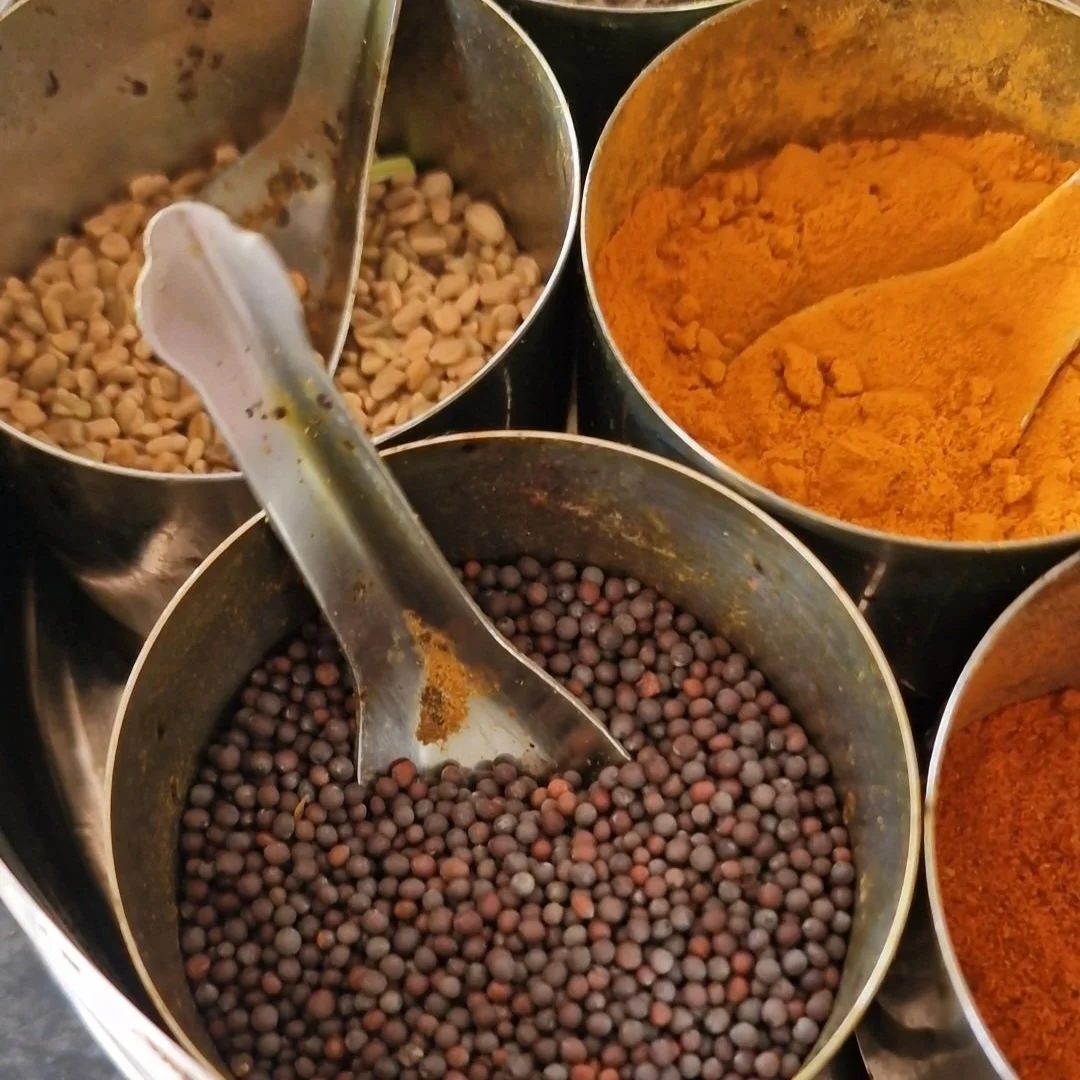
1 tsp mustard seeds
1 tsp grated fresh ginger
¼ tsp turmeric
Salt to taste
Optional: a pinch of black pepper, coriander leaves, or a squeeze of lemon
How to make it:
Roast the semolina (if not pre-roasted) in a dry pan over medium heat until lightly golden. Set aside.
In a saucepan, heat the oil and temper the mustard seeds until they pop. Add the turmeric and grated ginger. Stir well.
Add the grated vegetables and cook for 1–2 minutes.
Pour in the water and bring to a gentle boil.
Slowly stir in the roasted semolina, whisking constantly to avoid lumps.
Add salt, reduce the heat and cook for 3–4 minutes, stirring continuously. Sansa should remain soft and fairly soupy, so add more hot water as needed.
Serve warm, optionally topped with chopped coriander and a splash of lemon juice.
Like to pin or print this quick and nourishing Sansa recipe—perfect for your savoury breakfast? Here it is:

Looking for more autumn breakfast ideas?
→ 5 Warm Breakfast Suggestions for Autumn
🌿 Feeling good after this meal?
If you’re here because your digestion feels a little off…
or your energy isn’t quite where you want it to be…
👉 Start here: Free Guide: 5 Ayurvedic Shifts to Feel Better This Week
It’s simple, practical, and helps you build a rhythm around your meals — not just recipes.