Winter Vata Imbalances: How to Stay Nourished, Calm, and Grounded in the Cold Months
TL;DR – Winter Vata at a Glance
Winter Vata imbalance is driven by cold, dryness, and excess movement, showing up as dry skin, digestive issues, restless sleep, joint pain, and nervous system agitation.
The most effective support is simple and consistent:
Warm food and drinks
Daily rhythm and regular meals
Internal and external lubrication (ghee and oil)
Earlier nights and more rest
You don’t need to do everything. Even small, steady changes can make winter feel calmer, warmer, and more grounded.

Prefer to listen?
You can press play below to hear this episode of Rooted in the Seasons, or scroll down to read the blog post.
January and early February sit at the height of the Vata season.
They’re usually the coldest months of the year and also the driest.
If you’re noticing more restlessness, dryness, digestive issues, or aches and pains right now, it’s not random. From an Ayurvedic perspective, these are classic signs of Vata imbalance, amplified by the season itself.
Winter Vata doesn’t just affect one area of the body. It tends to show up across skin, digestion, joints, sleep, and the nervous system — often all at once.
The good news?
Small, consistent changes can make a noticeable difference.
Why Winter Aggravates Vata
Vata is made up of the elements air and space. Its qualities are cold, dry, light, mobile, and rough - exactly the same qualities that dominate late winter.
This seasonal overlap can lead to:
Increased dryness in the body and tissues.
More movement in the mind (restlessness, busy thoughts, vivid dreams).
Reduced lubrication in the digestive tract and joints.
If there’s also underlying heat in the system, dryness can combine with irritation, leading to flare-ups rather than just “dry” symptoms.
Common Signs of Winter Vata Imbalance
Here’s what to look out for; you might recognise one or several of these:
Skin and Tissues
Dry, rough, or flaky skin
Eczema or inflammatory flare-ups
Skin that feels tight or irritated after showering
Digestion and Elimination
Bloating or gas
Constipation
Haemorrhoids or fissures
Dry, hard stools
Bleeding when dryness combines with excess heat
Sleep and the Nervous System
Light or disturbed sleep
Waking during the night
Busy dreams
Feeling restless even when tired
Joints and Pain
Stiffness or aching joints
Pain that feels worse in cold, dry weather
In Ayurveda, pain is always linked to Vata, so it’s no surprise that aches often increase at this time of year.
🌱 Feeling Scattered?
You can download my free guide:
My 5 Quick Ayurvedic Fixes to Move from Scattered to Steady.
If you wonder where to start, this is a good place.
The Foundation: Rhythm Before Remedies
Before focusing on individual symptoms, it’s important to start with daily rhythm.
Vata is balanced by regularity, warmth, nourishment, and rest.
This means:
Eating meals at consistent times
Prioritising warm, cooked, nourishing food
Going to bed earlier
Reducing unnecessary stimulation
These basics support every system at once.
If you are wondering which foods are good to eat now, check this blog post.
Supporting Digestion in Winter Vata
Digestive dryness is one of the most common winter issues.
Warmth and Hydration
Sip hot water throughout the day.
Start the morning with warm water, herbal tea, or warm spiced milk.
Avoid iced or cold drinks.
Nourishing Fats
Add an extra teaspoon of ghee to rice, soups, or stews.
Ghee is easy to digest and deeply lubricating.
It nourishes the colon, joints, and nervous system from the inside.
Warm meals, hydration, and lubrication work together to soften stools, reduce bloating, and calm the digestive tract.
Skin Care: Replacing What Winter Dries Out
Dry skin isn’t just a surface issue — it reflects dryness in the deeper tissues.
Daily Oil Application (Abhyanga)
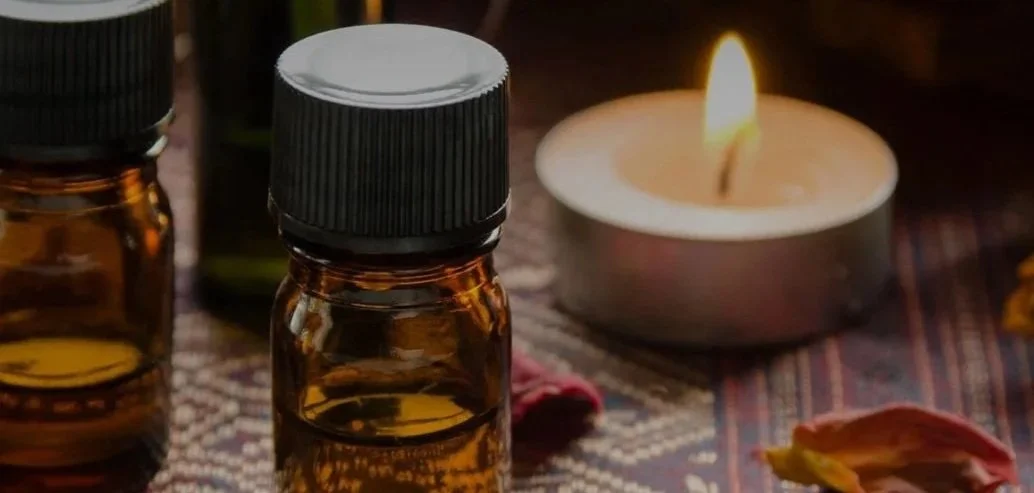
Apply warm oil to the body in the morning. Best oils to use now are cold-pressed sesame (Ayurveda’s favourite) or almond oil.
This can take less than five minutes.
Especially helpful if skin feels rough, inflamed, or reactive.
A time-saving option:
Lightly towel-dry after showering
Apply oil to damp skin to lock in moisture
Regular oiling can completely change winter skin issues that otherwise linger until spring, it surely has for my skin.
Weekly Oil Bath
If daily oiling feels unrealistic:
Once a week, apply a generous layer of oil to the whole body
Include scalp and hair
Leave on for 20–30 minutes before showering
This is deeply calming for the nervous system and grounding for Vata overall.
Joint Pain and Stiffness
Winter dryness often shows up in the joints.
Helpful supports include:
Internal lubrication (ghee, warm meals)
External oil application
Castor oil is especially useful for joint pain:
Thick, heavy, and deeply penetrating
Excellent for stiffness and Vata-related aches
Apply warm castor oil to the affected joints and allow it to absorb.
Haemorrhoids and Rectal Dryness
This is a topic rarely spoken about, yet very common particularly in winter.
Dryness in the colon, the natural seat of Vata dosha in the body) can lead to:
Hard stools
Straining
Fissures or haemorrhoids
Support includes:
Hydration and fats internally
Local moisture and soothing externally
Helpful options:
Aloe vera gel (cooling and hydrating) applied externally.
Ghee, applied externally around the anus.
Both help reduce dryness, soothe irritation, and support healing, especially when bleeding is present.
Calming the Nervous System
Vata imbalance almost always involves the nervous system.
Simple but powerful supports:
Wear warm socks, gloves, and a hat.
Protect the neck, ears, and head from cold and wind.
Go to bed earlier.
Spend more time lying down and being still.
Rest is not laziness here — it’s medicine.
Immobility balances excess movement.
How to get a good night sleep offers tips on improving your sleep rhythm.
Who Feels Winter Vata Most Strongly?
Seasonal imbalances often feel more intense if you:
Have a Vata-dominant constitution, or
Are in a Vata phase of life
This includes:
Perimenopause
Menopause
Post-menopause
During these stages, dryness, restlessness, sleep disruption, and joint issues often intensify, making seasonal support even more important.
Bringing It All Together in the Morning
Winter Vata imbalance often begins first thing in the morning, when the body is cold, dry, and more sensitive to stimulation.
That’s why a simple, grounding morning routine can change how the entire day feels — digestion, energy, mood, and sleep included.
As I share in my Morning Routine Blueprint:
“How you start your morning sets the tone for the whole day. In today’s fast-paced world, a calm, grounding routine isn’t a luxury; it’s essential for keeping your mind clear, your energy balanced, and your stress levels lower.
But a calming morning doesn’t mean a slow or aimless one. It’s about having a structured, intentional start that helps you feel prepared, focused, and steady for whatever the day brings.”
If mornings tend to feel rushed or scattered — especially in winter — this gentle structure can make a surprising difference.
Practising Rhythm — Not Just Reading About It
For many people, knowing what helps isn’t the hard part. It’s doing it consistently, especially when life is busy or energy is low.
That’s exactly why I created the new edition of Stress Less, Live More – The Rhythm Workshop.
Inside the workshop, we:
Build a simple, seasonal morning routine together
Adapt it to your nervous system, digestion, and life stage
Focus on rhythm rather than rigidity — so it feels supportive, not demanding
It’s a space to practise what winter asks for:
regularity, warmth, nourishment, and steadiness — with guidance and reassurance.
Final Thoughts: Winter Vata Non-Negotiables
Winter doesn’t ask for perfection — it asks for consistency.
If everything feels like too much, come back to these non-negotiables.
The Winter Vata Non-Negotiables
Warmth every day — food, drinks, clothing
Lubrication — inside or out
Rhythm before optimisation — regular meals, earlier nights, fewer extremes
If You Only Have 5 Minutes…
On the days when there’s no space for routines, do one of the following — that’s enough:
Sip hot water instead of another coffee - my #1 recommendation.
Add an extra teaspoon of ghee to your meal.
Apply warm oil to the feet or lower legs.
Stay in bed five minutes longer before starting the day.
These small acts tell the nervous system: You are supported.
Winter support isn’t about doing more — it’s about replacing what the season quietly takes away.
Frequently Asked Questions
1. How do I know if my symptoms are really Vata-related?
If your symptoms worsen in cold, dry, windy weather, or include things like dryness, restlessness, light sleep, bloating, constipation, or shifting aches and pains, Vata is usually involved.
This is especially true in late winter — and even more so if you’re naturally Vata-dominant or in a Vata life stage such as perimenopause or menopause.
2. I’m busy — what’s the one thing that helps most in winter?
If you do nothing else, prioritise warmth and lubrication.
That could be:
Drinking hot water instead of cold drinks
Adding a teaspoon of ghee to meals
Applying warm oil to the feet or lower legs
These small actions have a surprisingly strong calming effect on the nervous system and digestion.
3. Can I still follow these tips if I don’t know my dosha?
Absolutely.
Seasonal care applies to everyone, regardless of constitution.
In winter, all bodies benefit from more warmth, nourishment, rhythm, and rest.
Knowing your dosha can refine the details — but you don’t need it to feel better.