Seasonal Eating: Best Ayurvedic Foods for Summer
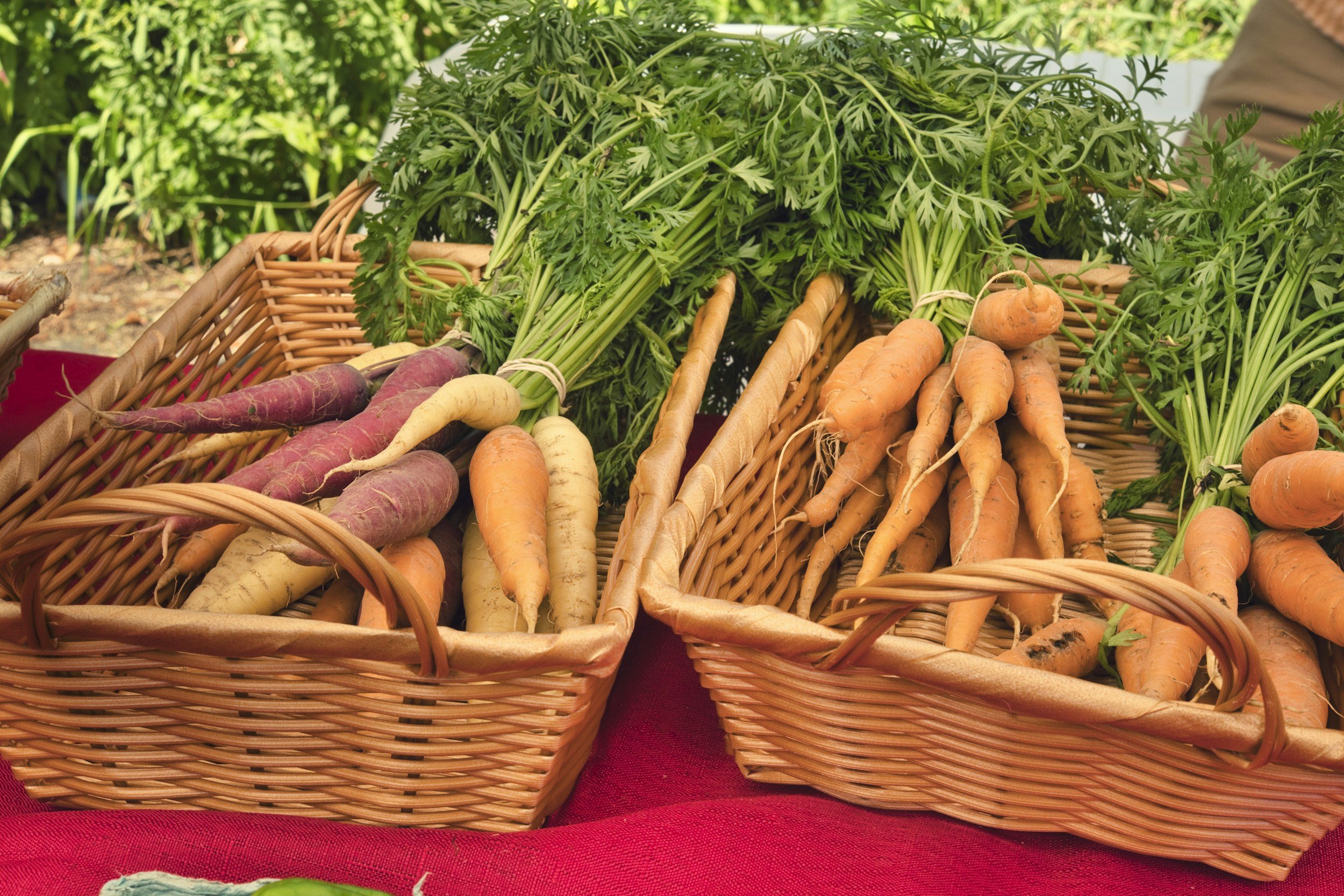
Photo by Yuval Zukerman
TL;DR
In summer, the body redirects energy away from digestion to manage the heat. This is why food can feel heavier than expected, energy drops, and the body feels slower through the warmer months. Ayurveda has always understood this — and the summer harvest responds to it directly. The right grains, legumes, vegetables, and fruits support digestion, keep the body cool, and help you feel steadier through the season. This post walks you through what to reach for and why.
Prefer to listen?
You can press play below to hear this episode of Rooted in the Seasons, or scroll down to read the blog post.
Introduction
Summer has a particular quality to it.
The appetite shifts. Nobody wants a heavy stew in July. The body naturally reaches for something lighter, cooler, easier — and that instinct is worth trusting, because it is the body doing something intelligent.
We all love the idea of summer — the sun, the lightness, the vibrancy that the season promises. And sometimes it is there. But sometimes the heat tips over into something else — a kind of tiredness that catches you off guard. Everything feels like a little more effort than it should. The body wants to slow down, to rest, even when the diary says otherwise.
I notice this myself. Up to around 25 degrees, I feel well. Beyond that, the tiredness sets in — everything starts to feel like too much. And this makes complete sense, because I am a Pitta type. Summer is Pitta season. When the heat rises, Pitta rises with it — and the body starts managing that heat rather than thriving in it. Read more about Pitta dosha.
This is what Ayurveda has always understood. The season you are in shapes how the body feels — and what it needs. And in summer, two things matter more than any other time of year. What you eat. And how you support digestion when the body is already working hard just to stay cool.
Ayurvedic Principles
In Ayurveda, two principles guide what we eat through the seasons.
The first is the six tastes — sweet, sour, salty, bitter, pungent, and astringent. These tastes are not just about flavour. Each one is made up of the five elements — space, air, fire, water, and earth — and each one affects the body differently. Keeping the right balance of tastes through the day is one of the simplest ways to support how you feel.
The second principle is balance through opposites. Summer brings heat, sharpness, and intensity — all qualities of the fire element. The body needs cooling, softening, and calm to counterbalance that. And the tastes that do exactly that are sweet, bitter, and astringent — the three tastes that dominate the summer harvest.
This is what I find so quietly brilliant about Ayurveda. The season provides precisely what the body needs. You do not have to think it through from scratch — nature has already done that.
🌱If you’d like a simple way to bring this into your day,
You can download my free guide:
5 Daily Ayurvedic Shifts to Feel Like Yourself Again
It walks you through how to apply this practically.
Understanding Ayurvedic Principles for Summer
Summer brings heat, and with heat comes dryness. You see it outside — the soil dries out, cracks appear. The same happens in the body. Skin, hair, and eyes lose moisture. The colon can dry on the inside, too.
This is why hydration matters more in summer than in any other season — and why the summer harvest responds so perfectly to that need. The juicy berries, the watery vegetables, the cooling fruits. Nature is providing exactly what the body is asking for.
And because the body is busy managing the heat, it takes energy away from digestion. This is why lighter food makes sense in summer — not as a rule to follow, but as a natural response to what the body is already doing.
What to Eat in the Summer?
The summer harvest is abundant — and in Ayurveda, it is no coincidence that the foods the season provides are exactly the ones the body needs.
Here is what to reach for.

Photo by meriç tuna
Grains:
Barley is one of the best summer grains — light, cool, sweet and astringent, good for the skin and kidneys.
White rice is cooling and easy to digest, nourishing without asking too much of the body.
Pearl millet is another good choice — light and cooling with a sweet taste.
Oats work well in summer too. Their quality keeps the body hydrated and their sweet taste supports the nervous system, which can run a little hot in the heat.
Wheat on its own can feel heavy in summer, but the processed versions — bulgur wheat, couscous, pasta — are lighter and easier to digest, and more appealing when the temperature rises.

Photo by Disiana Caballero
Legumes:
All legumes work well in summer — and they are even better when sprouted. Sprouting makes them lighter and easier to digest, and increases their nutritional value.
My favourites for summer are mung dal in all its forms — whole green mung, split green, and the husk-less yellow split mung dal, which is the lightest and most digestible of all. Masoor dal, the husk-less version of small brown lentils, is another good one.
One to be mindful of is chickpeas. They have a drying quality, which can increase dryness in the skin and hair or lead to constipation if the body is already on the dry side. Fine in moderation — just worth being aware of.

Photo by Beth Macdonald
Vegetables:
Summer is generous with vegetables. Here is what the season is offering and why it works for the body right now.
Artichokes: bitter in taste, excellent for the liver.
Avocados: sweet and cool, nourishing, and an excellent source of good fat.
Chicoree: bitter and light. It is a great addition to a leafy salad and can be added to dal or kitchadi.
Fennel: sweet and light taste, and it is very pleasant in salads to add crunch or as a vegetable cooked and in soup. Easy to digest, very calming effect.
Cucumber: refreshing, cooling, and hydrating — and that reputation is well earned. Combined with the sweet taste, they are excellent for any pitta imbalances, such as hyperacidity and burning sensations; remember the cucumber slice on the eyes. Cucumbers are heavy to digest, so they are best enjoyed at lunch.
Sweet potato: Just as the name says, they taste sweet but slightly sour. They are easy to digest, nourishing and grounding.
Carrots: sweet and bitter in taste, easy to digest, and nourishing and grounding. Beneficial for the blood, eyes, brain and stomach. Although tasty when eaten raw, the best benefit develops when cooked.
Beetroot: Sweet in taste, nourishing, and easy to digest (best cooked to pacify Pitta dosha). It helps to build blood and is excellent for the liver, gallbladder, stomach and guts.
All leafy greens: A must in the summer. Ideally, we incorporate leafy greens in our meals daily. The bitter taste is beneficial for the liver.
Zucchini and other summer squashes: The high fluid content helps to hydrate the tissues and prevent constipation. Easy to digest.
And tomatoes — because I know this one matters to people.
Here is the thing, though. Tomatoes are in the nightshade family. Nightshades are difficult to digest and promote inflammation. They are sour in taste and increase all three doshas: Vata, Pitta (the natural dosha of the summer), and Kapha.
If you grow your tomatoes, that's great; enjoy them in small amounts. In any case of Pitta imbalances, inflammations, acidity, skin issues) they should be avoided. The sour taste is heating. Avoid the skin and seeds; they are the most heated. Apart from the heating qualities, they also tend to block the channels. I know, this is a bummer.

Photo by Akbar Nemati
Fruits:
I grew up eating seasonally without thinking about it — and summer always meant berries. Raspberries, blackberries, blueberries, currants — sweet, juicy, and hydrating. The body responds to them well because they are exactly what the season is offering.
Strawberries are particularly good in summer. Cooling, strengthening for the heart, and soothing for an irritated or acidic stomach. They also have a grounding quality — settling for the nervous system when the heat makes everything feel a little more intense.
Apart from citrus fruits, which are heating and sour, most seasonal fruits are suitable through the summer months.
The spices you cook with matter just as much as the food on your plate — find out which ones support digestion and keep the body cool in summer in this post: 7 Best Cooling Spices for Summer.
What Foods to Avoid in the Summer?
The same logic applies to what to avoid. The tastes that contain the fire element will increase Pitta — and in summer, that is the last thing the body needs. Those tastes are salty, sour, and pungent.
This also means that the remaining favourable three summer sweet, bitter and astringent tastes don't contain the fire element.
This means salty snacks, citrus fruits, and strongly spiced or fermented foods are best set aside through the warmer months.
Milder ferments like sauerkraut are fine in small amounts. And buttermilk — yoghurt mixed with water — is actually beneficial in summer, helping to remove heat from the body rather than add to it.
A simple recipe: CCF tea
Cumin, coriander, and fennel — this combination has been used in Ayurveda for thousands of years as one of the simplest and most reliable digestive remedies. It is worth making a habit of in summer.
Add one teaspoon each of cumin seeds, coriander seeds, and fennel seeds to one litre of water. Bring to a boil, simmer for ten minutes, then strain. Sip through the day warm or at room temperature.
That is it. Three ingredients, ten minutes, and something the body genuinely responds to.
Ayurvedic Summer Meal Plan
Here is a sample week to give you a sense of how this comes together in practice. Take what is useful and leave the rest.
Day 1:
Breakfast: Cooked oatmeal topped with cinnamon and toasted sunflower seeds.
Lunch: Mung dal soup with carrots and zucchini and steamed white rice.
Dinner: Warm barley and chickpea salad with cucumber, fennel, and a light olive oil dressing.
Day 2:
Breakfast: Pearl millet porridge seasoned with a pinch of cardamom and toasted coconut flakes.
Lunch: Bulgur wheat with roasted beetroot and avocado, garnished with fresh parsley.
Dinner: Lentil soup with artichokes and sweet potato, served with couscous.
Day 3:
Breakfast: Savoury oats with turmeric.
Lunch: Warm chickpea and cucumber salad with diced tomatoes (small amount, skin and seeds removed), served with warm flatbread.
Dinner: Quinoa with grilled zucchini and a mix of leafy greens like spinach and kale.
Day 4:
Breakfast: Toasted bread with avocado spread and sliced cucumbers.
Lunch: Rice and masoor dal pancakes with shredded beetroot and carrot, served with mint-coriander chutney.
Dinner: Fennel and taro soup
Day 5:
Breakfast: Rice pancakes topped with a savoury mixture of sautéed zucchini and herbs.
Lunch: Kitchadi with fennel and leafy greens.
Dinner: Leftover kitchadi
Day 6:
Breakfast: Millet cooked with fennel seeds and olive oil, served with steamed greens.
Lunch: Bulgur wheat pilaf with roasted carrots and zucchini.
Dinner: Avocado and warm sprouted bean salad with olive oil and lemon dressing.
Day 7:
Breakfast: Toasted bread with mashed chickpeas and a sprinkle of dried herbs.
Lunch: Artichoke and chickpea stew served with couscous.
Dinner: Beetroot patties served with mung dal and spinach soup.
One practical note: in Ayurveda, fresh food is always preferable to reheated leftovers. If you have lunch left over, eat it for dinner the same day rather than saving it for the next.
Final Thoughts
Summer asks the body to manage more than it lets on.
The heat rises. The digestive fire steps back. The body works quietly in the background to keep you cool and steady — and the food you choose either supports that or adds to the load.
This is what seasonal eating comes down to. Not a rigid plan. Not another thing to get right. Just a gentle shift toward what the season is already asking for — lighter grains, cooling vegetables, spices that keep digestion moving without adding heat.
Small choices. Made consistently. That is where the steadiness comes from.
If you want support building a way of eating that genuinely fits your body and your day — Cook to Feel Steady is a five-day food reset built around exactly this. Simple food, Ayurvedic principles, and a rhythm your body can follow. You can find out more here.
Additional Resources
Explore easy Ayurvedic Recipes here
☀️ Want a full Ayurvedic summer routine with cooling foods, lifestyle tips, and yoga guidance?
Read our seasonal guide: Stay Cool This Summer with Ayurveda and Yoga
FAQs
Why does food feel heavier in summer even when I am eating lightly?
The body is working hard to manage the heat, which means digestion gets less energy than usual. Even food that would feel fine in other seasons can sit heavily when agni — the digestive fire — has stepped back. Lighter grains, well-cooked legumes, and cooling vegetables give the body what it needs without asking too much of digestion.
Do I really need to change what I eat every season?
Not completely — but small adjustments make a real difference. The body responds to the season it is in. Summer calls for lighter, more cooling food and less of the heavier, richer meals that work well in winter. You are not overhauling your whole diet — just shifting the balance a little in the direction the body is already asking for.
I eat a lot of tomatoes in summer — do I really need to avoid them?
Tomatoes are heating, acidic, and increase Pitta — the dosha that is already dominant in summer. If you are noticing skin flaring, acidity, or inflammation, stepping back from tomatoes for a few weeks is worth trying. If you grow your own and enjoy them, have them in small amounts at lunch, with the skin and seeds removed. That is the most digestible way to eat them.
What is the easiest place to start?
Mung dal. It is the lightest and most digestive of all legumes, easy to cook, and genuinely supportive for summer digestion. A simple mung dal soup with cooling vegetables a few times a week is one of the most effective things you can do for how you feel through the season.
What should I be drinking in summer?
Water, first — hydration matters more in summer than any other season. Beyond that, CCF tea — cumin, coriander, and fennel — is one of the simplest and most effective digestive drinks you can make. The recipe is in this post. Coriander water, made by soaking seeds overnight and drinking the strained water in the morning, is another easy addition.
What about fermented foods — I thought those were good for digestion?
Most fermented foods are sour and heating, which increases Pitta in summer. Kimchi and strong ferments are best set aside for the cooler months. Mild homemade yoghurt is fine in small amounts, and buttermilk — yoghurt mixed with water — is actually beneficial in summer as it helps remove heat from the body.