Feeling Scattered? 5 Ayurvedic Herbs to Soothe Stress and Balance Vata This Winter
Updated on 14 October 2025 with new content and herbal additions.
TL;DR:
Winter’s cold, windy energy can leave the mind scattered and restless. Ayurveda calls this the Vata season — a time to ground, nourish, and slow down. In this post, discover Ayurvedic and local herbs like Ashwagandha, Tulsi, Chamomile, and Oat Straw that help calm the nervous system and restore balance through the colder months.
Prefer to listen?
It’s autumn.
The days are growing shorter, the light softer, and nature slowly begins to turn inward. Leaves fall, branches stand bare, and the air carries a quiet stillness.
This is the time when the hype and bustle of summer fade away — and with it, our outward energy. We, too, are meant to turn inward, to reflect, to rest, to conserve rather than constantly give out.
Yet often, we resist this change. We cling to the brightness and pace of summer, and when the greyness sets in, we might start to feel a little low, flat, or scattered. Sometimes we even mistake this natural shift for sadness or fatigue — when, in truth, it’s simply nature inviting us to slow down.
In Ayurveda, this season marks the rise of Vata dosha — the energy of air and space.
When balanced, Vata brings clarity, inspiration, and introspection — the kind that allows us to reflect and recharge.
When imbalanced, it shows up as overwhelm, anxiety, or restlessness — that frazzled, scattered feeling so many of us know too well.
The good news is that nature also offers ways to steady us.
Warming foods, grounding rituals, and calming herbs can all help bring Vata back into balance — easing the nervous system, nourishing the mind, and supporting calm through the seasonal change.
Why We Feel More Stressed in the Autumn–Winter Shift
To understand why this happens, it helps to look at what Ayurveda says about the natural rise of Vata energy as the seasons turn.
As the warmth of summer gives way to the cooler, windier days of autumn, the qualities of air and space begin to dominate, leading to an increase in Vata energy within us.
During the autumn and winter months, the mind is particularly affected. Vata dosha governs the nervous system, and our mind — made up of the same subtle elements of air and space — becomes especially susceptible to Vata’s imbalance.
The vast, empty quality of space brings expansiveness but also lack of structure. The mobile nature of air allows thoughts to move rapidly from one thing to another — one moment thinking about what to eat, the next imagining a beach in Bali.
This constant flurry of thoughts brings unrest to the mind, leading to feelings of overwhelm, indecision, and eventually stress.
If the mind itself is Vata-dominant, this time of year will feel even more turbulent. In Pitta-dominant minds, heat and intensity may amplify movement and restlessness — like air above a fire.
Herbs and Spices to Balance the Mind
There are several ways to calm the Vata dosha of the mind.
Food is always the first port of call to bring change. The autumn harvest is naturally Vata-calming. The abundance of root vegetables and grains helps ground the mind, just as warming spices — cinnamon, ginger, nutmeg, and cardamom — balance the light, mobile qualities of air and space.
Even kitchen herbs like rosemary and thyme, when added to soups and stews, offer grounding warmth.
And for gentle calm in the evenings, teas made from chamomile, lavender, lemon balm, or valerian bring softness and rest.
Beyond food, specific herbs directly nourish and stabilise the nervous system.
Ayurvedic Herbs to Calm the Mind
Sometimes, we need a little more support — something that reaches deeper than food alone. Ayurveda offers a range of herbs that nourish the nervous system and strengthen the mind, bringing resilience and balance when stress runs high.
Rooted in centuries of wisdom, these Ayurvedic herbs work deeply on the brain and nervous system to restore calm, clarity, and resilience — especially when Vata is high and the mind feels unsettled.
Here are my five favourite herbs:

Ashwagandha (Withania somnifera)
A renowned adaptogen that builds resilience to stress, Ashwagandha promotes calm, steady energy, and restful sleep. Its warming qualities make it especially beneficial for Vata types, but it tends to aggravate Pitta even in small amounts. It’s not suitable when there is ama (toxicity) in the body, as its nourishing nature can worsen accumulation rather than clear it.

Brahmi (Bacopa monnieri)
My absolute favourite and a true lifesaver on many occasions. Brahmi is a tonic for the nervous system — cooling, rejuvenating, and clarifying.
If Ashwagandha is not suitable for the Pitta-dominant constitution because of its heating nature, Brahmi is the perfect alternative.
Brahmi is excellent if you suffer from headaches or migraines, which are a sign of excess heat in the body. It also brings mental clarity, helps with focus, and reduces anxiety, supporting clear thinking without overstimulation.

Tulsi (Holy Basil)
Often called the “Queen of Herbs,” Tulsi uplifts and stabilises mood, eases anxiety, and strengthens the immune system.
It’s both warming and purifying — an excellent choice for the Vata season. A daily cup of Tulsi tea offers gentle protection against winter fatigue.

Jatamansi (Spikenard)
A deeply grounding herb that quiets the mind and promotes restful sleep. Jatamansi supports clarity, focus, and recovery from mental exhaustion — ideal when Vata’s light, mobile nature leads to insomnia or racing thoughts.

Liquorice (Glycyrrhiza glabra)
Sweet and harmonising, Liquorice soothes the adrenals and supports the body in times of chronic stress. It calms Vata-induced dryness and nervousness, helping restore steadiness and vitality.
Local Herbs for a Calm and Grounded Mind
While Ayurveda offers timeless herbal wisdom, the same principles can be found in our own hedgerows and gardens. These local herbs work in similar ways — calming the nervous system, grounding scattered energy, and supporting emotional resilience.
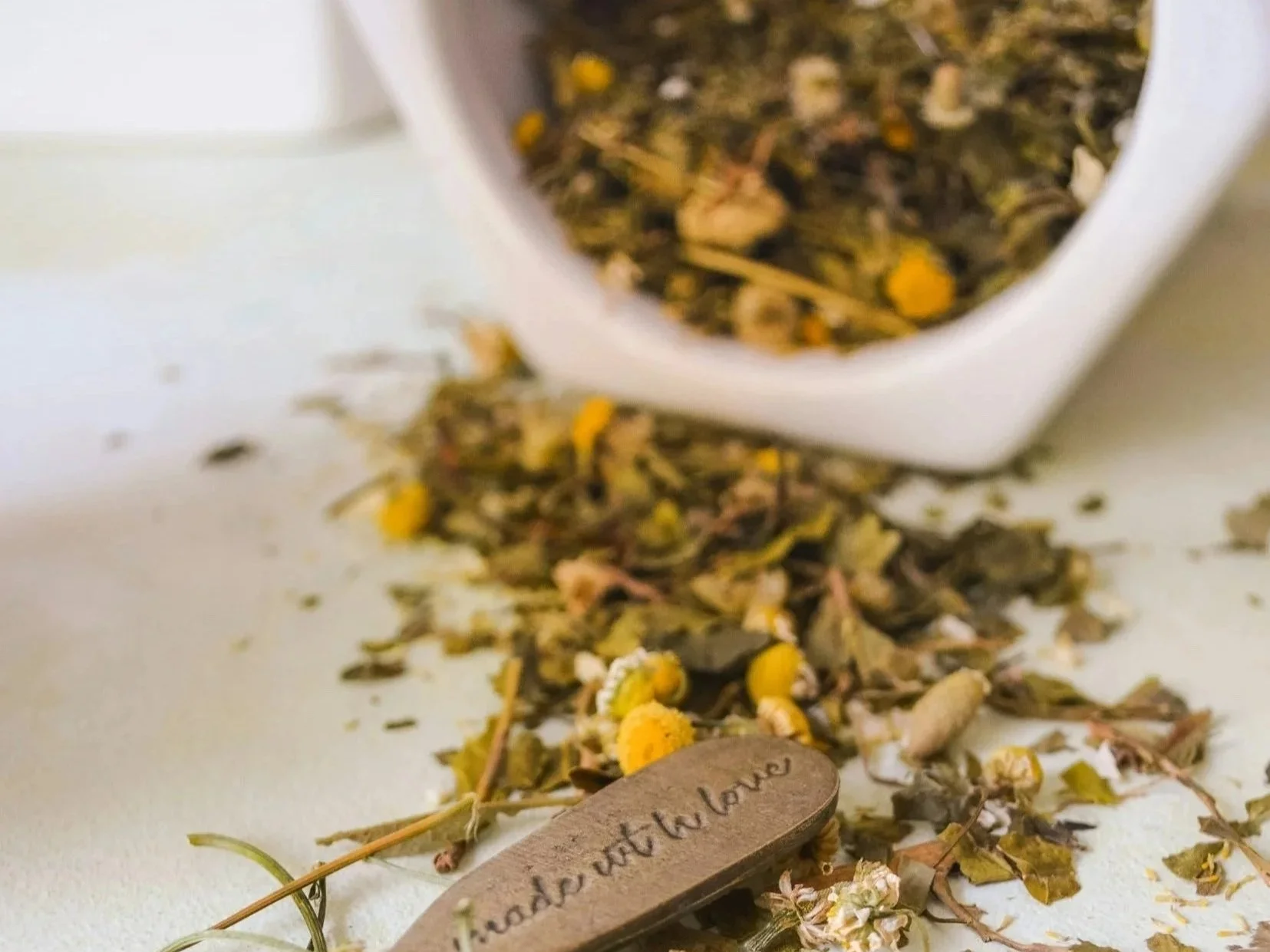
Chamomile (Matricaria recutita)
A cooling, pitta-reducing herb and gentle nervine. Chamomile relaxes the mind, eases digestive tension, and supports restful sleep. It’s especially soothing when anxiety affects the stomach or digestion.
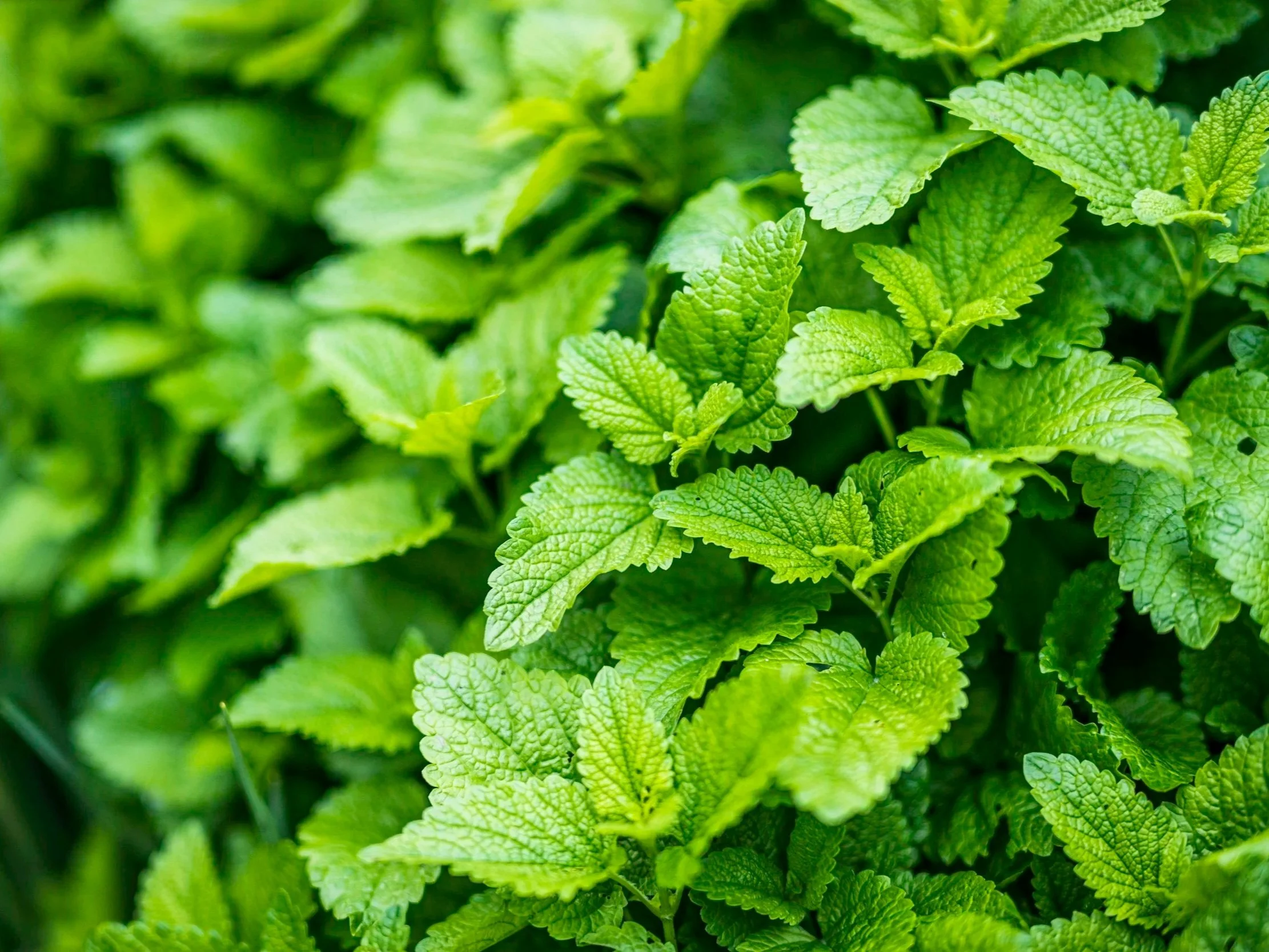
Lemon Balm (Melissa officinalis)
Cooling and uplifting, Lemon Balm calms the heart and clears the mind. It eases anxiety, tension, and emotional heat, and helps with insomnia linked to overstimulation. Wonderful in tea for evening relaxation.
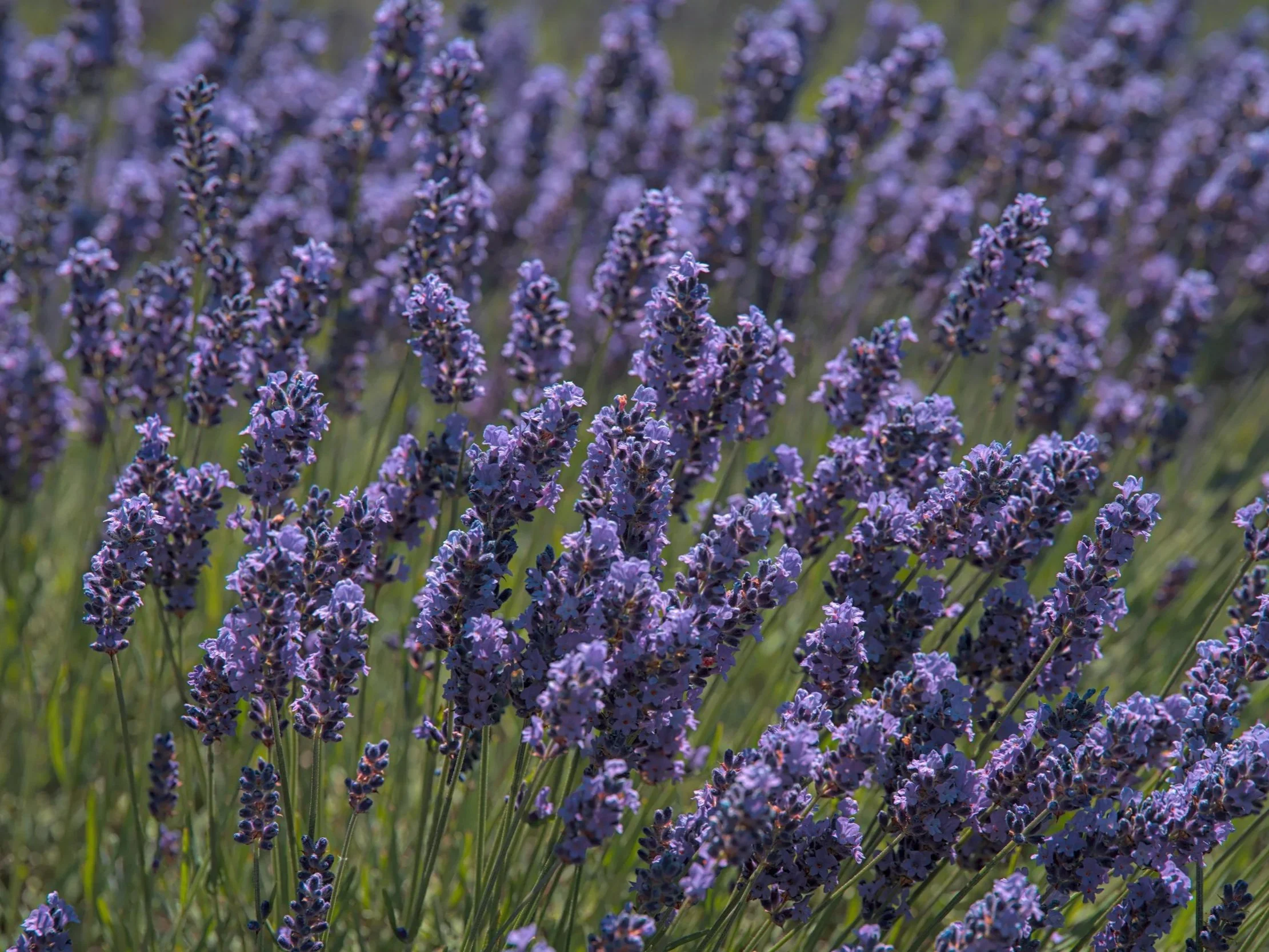
Lavender (Lavandula officinalis)
A fragrant medhya (mind-tonic) herb that cools pitta and steadies vata. Lavender supports emotional balance, relieves tension headaches, and encourages deep rest. Enjoy it as tea or add a few drops of essential oil to your pillow before bed.

Oat Straw (Avena sativa)
A deeply nourishing tonic — brmhana and rasayana in Ayurvedic terms. Oat Straw replenishes the nervous system after exhaustion or long stress periods. I
t’s like a warm hug for the nerves, helping both Vata and Pitta find steadiness.
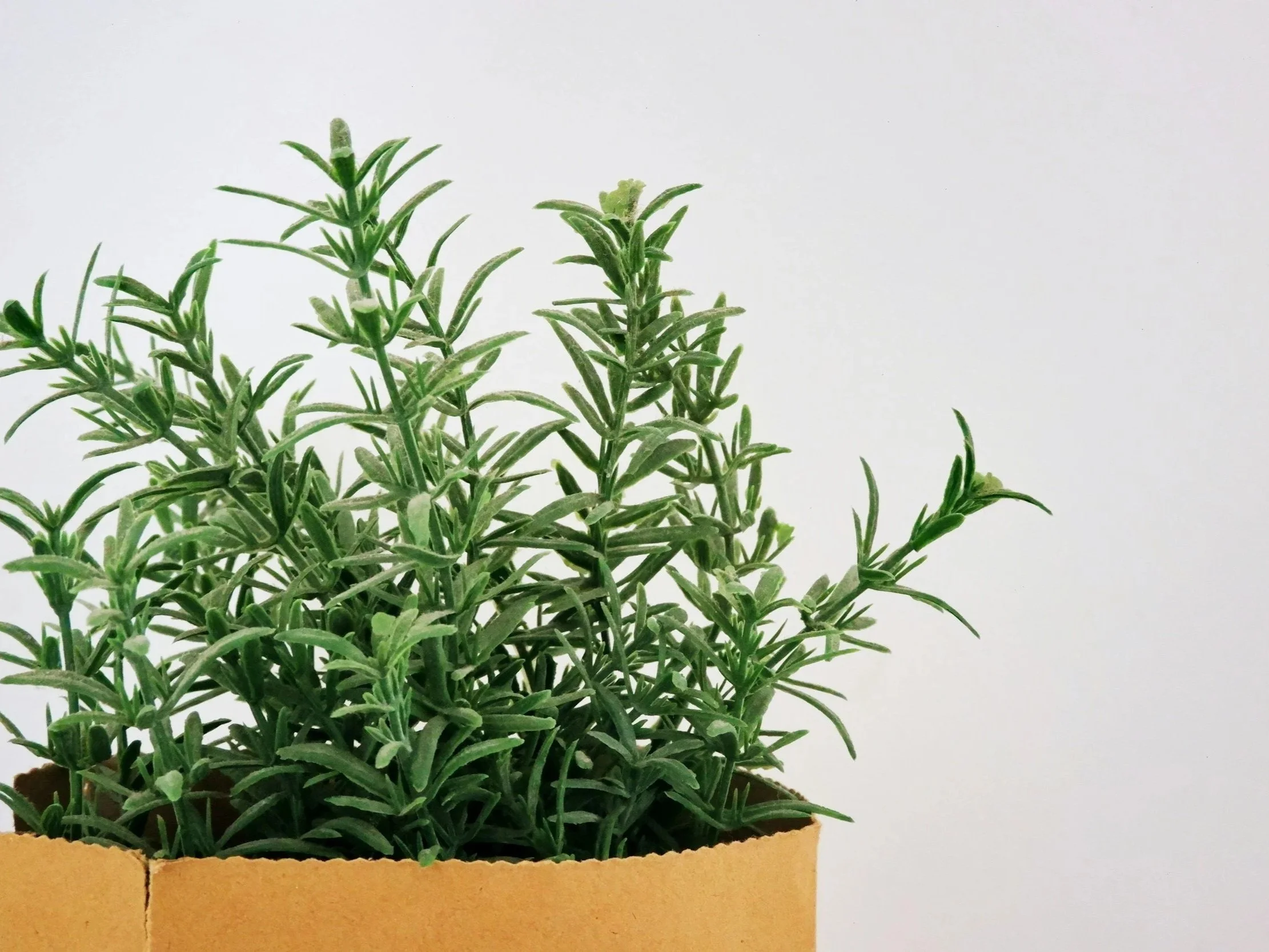
Rosemary (Rosmarinus officinalis)
Slightly warming and invigorating, Rosemary clears mental fog, enhances memory, and stimulates circulation. In small amounts, it can ground Vata’s scattered energy and awaken focus — ideal when the cold dulls mental clarity.
And here is a bonus herb, shining with its many qualities.
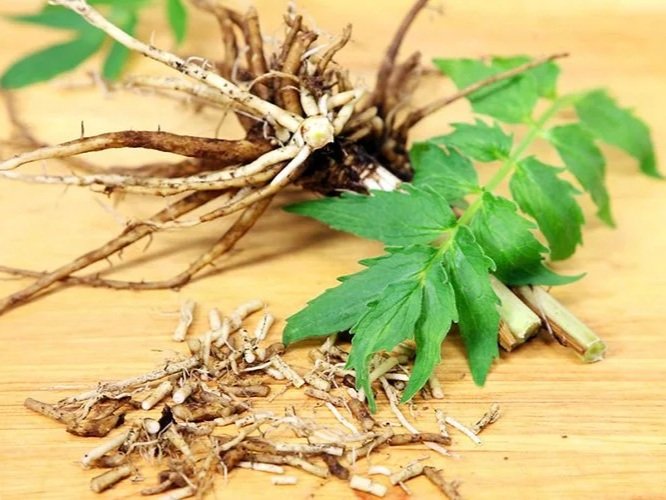
Valerian (Valeriana officinalis)
Known as Tagara in Ayurveda, Valerian is a powerful medhya (nerve tonic) and natural sedative that supports deep rest and relaxation. It’s particularly effective for insomnia, anxiety, and restlessness — especially when caused by tension or overstimulation of the nervous system.
With its heavy and slightly heating qualities, Valerian primarily reduces Vata, though it can aggravate Pitta if used in excess or when there’s inflammation. It’s best suited for those whose sleeplessness or anxiety feels wired and restless, rather than sluggish or heavy.
Valerian helps redirect apana vata (the downward-moving energy) and calms spasms in the gut and muscles — making it useful for those whose stress manifests as digestive tension or muscle tightness.
Use with care in high Pitta or when there’s ama (toxicity), and avoid combining with sedatives or alcohol. A small cup of Valerian tea or tincture before bed can gently settle the mind, though its taste and scent are famously strong!
How to Use These Herbs
Teas and infusions: Enjoy herbs as warm teas or infusions, ideally gently sweetened.
Herbal milk: Warm a cup of milk (dairy or plant-based), add ½ tsp of Ashwagandha or Licorice powder, and sweeten with coconut sugar or a touch of honey (once cooled slightly).
Evening blends: For local herbs, combine Chamomile, Lemon Balm, and Oat Straw for a calming evening tea.
Final Thoughts
Whether you reach for ancient Ayurvedic herbs or familiar garden allies, the goal is the same — to find calm and stability in times of change.
Herbs can’t remove stress from life, but they can help your mind and body respond with more ease. A daily cup of warm herbal tea or milk becomes more than just a drink — it’s a ritual that grounds you, nourishes you, and reminds you that balance is always within reach.
FAQs
1. Can I take all these herbs together?
It’s best to start with one or two that suit your current needs or dosha. Combining too many herbs at once can make it harder to see what’s actually helping.
2. Are these herbs safe to use daily?
Most can be used long term in food or tea form, but therapeutic doses should be taken under guidance — especially if you’re on medication or pregnant.
3. How do I know if my Vata is out of balance?
Common signs include anxiety, insomnia, dry skin, cold hands and feet, and feeling mentally scattered. A consultation with an Ayurvedic practitioner can help you understand your unique balance.
4. What’s the best time to take calming herbs?
Evening is ideal for grounding herbs like Ashwagandha or Chamomile, while morning Tulsi tea can support mood and immunity throughout the day.
Create Healthy Eating Habits in 5 Easy Steps with our FREE 5-Day Email Challenge.
Subscribe to our weekly Sunday Read newsletter & The Seasonal Living Blog posts like this one.
Resources
💡 Want to explore more Ayurvedic tips, recipes, and practices for autumn? Here are some extra resources you might enjoy:
Ayurveda for Autumn: Balance Vata and Ease Stress
6 Ayurveda Tips to Stay Centred in the Autumn Shift
The Complete Ayurvedic Autumn Cleanse Guide
Why you might need an Autumn Cleanse
Now I’d love to hear from you: Have you noticed that you feel more scattered or stressed during the autumn and winter? Feel free to share your thoughts!
Let’s start a conversation. Leave a message on Instagram, Facebook, or even an old email OR comment below :)
I love hearing from you!
Katja x
P.S. Of course, establishing healthy eating habits is beneficial through all seasons :)